
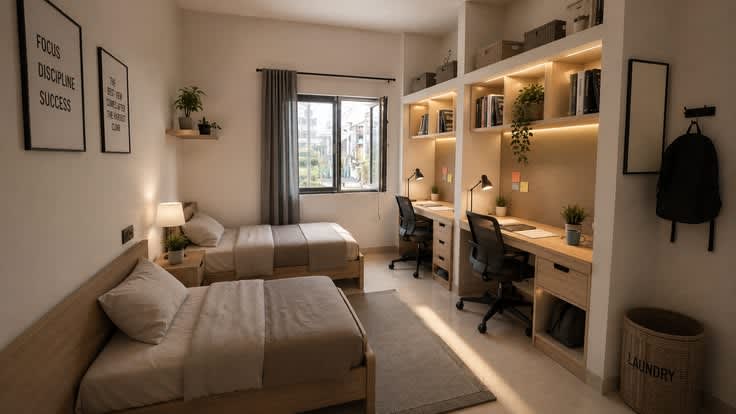
PG Privacy: How to Maintain Privacy While Living in a Shared PG
Living in a shared PG can be an affordable and convenient option for students and working professionals, but sharing a room also means adjusting to another person’s habits and routine. Maintaining PG Privacy becomes important when you share your personal space with a roommate.
From setting boundaries and organizing your belongings to communicating respectfully, a few simple habits can make shared PG living much more comfortable. You don’t need to avoid social interaction; instead, the goal is to create a healthy balance between personal space and shared living.
Why Is PG Privacy Important?
PG Privacy helps residents feel comfortable and relaxed in their accommodation. When two or more people share the same room, everyone needs some personal space and an understanding of basic boundaries.
Good privacy practices can help you:
- Feel more comfortable in your room.
- Protect personal belongings.
- Maintain a personal routine.
- Avoid unnecessary misunderstandings.
- Build a better relationship with your roommate.
- Create a peaceful living environment.
Privacy does not mean completely isolating yourself. It means respecting each person’s personal space, belongings, time and preferences.
PG Privacy Starts With Clear Boundaries
One of the easiest ways to maintain privacy is to establish boundaries from the beginning.
Have a friendly conversation with your roommate about things such as:
- Personal belongings
- Visitors
- Sleeping schedules
- Study or work time
- Room cleaning
- Use of shared items
- Phone calls
- Personal space
You don’t need to make the conversation formal. A simple discussion can prevent many misunderstandings later.
PG Privacy: Respect Your Roommate’s Personal Space
Sharing a room means that some areas are common, but your roommate may still have personal belongings and spaces that should not be disturbed.
Avoid:
- Opening their bags without permission.
- Going through their drawers.
- Using their clothes or personal items without asking.
- Reading their messages or documents.
- Moving their belongings unnecessarily.
The same principle applies to your own belongings. Respecting privacy works both ways.
Keep Your Personal Belongings Organized
Organization can make shared-room living much easier.
Use separate areas for:
- Clothes
- Books
- Toiletries
- Electronics
- Documents
- Shoes
- Personal accessories
Storage boxes, organizers and separate shelves can help create a clear distinction between your belongings and your roommate’s belongings.
Keeping important items organized also reduces the chances of accidental mixing or confusion.
PG Privacy: Protect Important Documents
Important documents should always be kept in a secure and organized place.
These may include:
- Identification documents
- Educational certificates
- Employment documents
- Bank-related paperwork
- Accommodation agreements
- Personal records
Consider using a document folder or small lockable storage solution where permitted.
Avoid leaving sensitive paperwork openly on a desk or bed, particularly in a shared room.
Use Headphones When You Need Personal Space
Sometimes you may want to watch a video, listen to music, attend an online meeting or simply relax without disturbing your roommate.
Headphones can be useful in these situations.
They are particularly helpful when:
- Your roommate is sleeping.
- You are attending an online class.
- You are working remotely.
- You want to watch entertainment content.
- You need quiet personal time.
However, don’t use headphones constantly to avoid communication. A healthy relationship with your roommate still requires occasional conversation.
Create a Personal Routine
A predictable routine can make shared living more comfortable.
For example, you might establish specific times for:
- Studying
- Working
- Sleeping
- Getting ready
- Exercising
- Relaxing
If both roommates understand each other’s schedules, it becomes easier to avoid unnecessary interruptions.
This is especially useful when one person works early shifts while the other studies late at night.
PG Privacy: Discuss Visitors in Advance
Visitors can sometimes become a sensitive issue in shared accommodation.
Before inviting friends or relatives to your room, understand the PG’s visitor policies. You should also consider your roommate’s comfort.
If visitors are allowed, communicate with your roommate beforehand whenever possible.
A simple message such as, “My friend may visit this evening for an hour,” can prevent unexpected situations.
Avoid Sharing Personal Information Carelessly
Living with a roommate doesn’t mean you have to share every detail of your personal life.
You can be friendly while still keeping certain information private.
Be careful about casually sharing:
- Financial information
- Passwords
- Banking details
- Personal documents
- Private conversations
- Account information
Never share passwords for important accounts simply because you live together.
PG Privacy: Secure Your Digital Information
Privacy isn’t limited to physical belongings. Your phone, laptop and online accounts also contain personal information.
Follow basic digital security practices:
- Use a strong phone lock.
- Set a password on your laptop.
- Don’t share important account passwords.
- Log out of shared devices.
- Avoid leaving your phone unlocked.
- Use two-factor authentication where appropriate.
These small habits can protect your personal information while living in shared accommodation.
Communicate Instead of Assuming
Many roommate problems happen because people make assumptions instead of discussing their concerns.
If something is bothering you, communicate politely.
For example, instead of saying:
“You always disturb me.”
You could say:
“I usually study during this time. Could we keep the room a little quieter for an hour?”
Respectful communication is more likely to produce a positive response.
Establish Shared Room Rules
If you and your roommate have different lifestyles, create a few simple shared rules.
You can discuss:
- Quiet hours
- Cleaning responsibilities
- Lights and fan usage
- Visitors
- Shared purchases
- Food storage
- Borrowing belongings
- Sleeping schedules
The rules don’t have to be complicated. A few mutually agreed expectations can make daily life much easier.
Keep Your Personal Conversations Private
If you’re discussing something sensitive with family, friends or colleagues, consider using headphones or moving to a more private location if possible.
For important conversations, you can use:
- A common area when it’s quiet.
- A designated phone-call space.
- An outdoor area where appropriate.
- A private corner away from your roommate.
This allows you to maintain personal privacy without making your roommate uncomfortable.
PG Privacy: Know When to Ask for Help
Sometimes privacy concerns may involve more than normal roommate disagreements.
If someone repeatedly enters your personal space without permission, takes your belongings, threatens you or makes you feel unsafe, don’t ignore the situation.
Depending on the circumstances, consider speaking with:
- PG management
- The property owner
- A trusted family member
- A college representative
- Another responsible person you trust
Your accommodation should be a place where you can feel comfortable and respected.
How to Maintain Privacy in a Small PG Room
Limited space doesn’t mean you cannot create personal boundaries.
Try simple solutions such as:
- Using storage boxes.
- Keeping separate shelves.
- Using a personal organizer.
- Keeping important items in secure storage.
- Maintaining a clean personal area.
- Using headphones when appropriate.
- Creating agreed quiet hours.
Even small physical boundaries can make a noticeable difference in a shared room.
Build a Respectful Relationship With Your Roommate
Good PG Privacy does not require becoming distant from your roommate.
In fact, respectful communication can make shared living easier.
You can:
- Respect their schedule.
- Ask before borrowing anything.
- Keep shared areas clean.
- Give them quiet time.
- Discuss problems calmly.
- Respect their personal belongings.
- Be considerate about visitors.
When both people follow these basic principles, privacy becomes a natural part of everyday PG life.
PG Privacy Checklist
Before settling into a shared PG room, keep these points in mind:
- Discuss boundaries with your roommate.
- Keep personal belongings organized.
- Don’t use someone else’s belongings without permission.
- Secure important documents.
- Protect your phone and laptop.
- Don’t share passwords.
- Discuss visitor arrangements.
- Establish quiet hours.
- Respect sleeping and working schedules.
- Communicate problems politely.
- Follow the PG’s rules.
- Contact management if a serious privacy or safety issue occurs.
Final Thoughts
Maintaining PG Privacy while sharing a room is mainly about communication, boundaries and mutual respect. You don’t need a completely private room to enjoy personal space. Simple habits such as organizing belongings, protecting digital information, discussing visitors and respecting your roommate’s routine can make shared PG living much more comfortable.
Before moving into a PG in Karnal, understand the accommodation’s rules and facilities and choose an arrangement that fits your lifestyle. Kunj Niwas offers accommodation options for residents looking for a comfortable place to stay in Karnal while meeting different room and living requirements.