
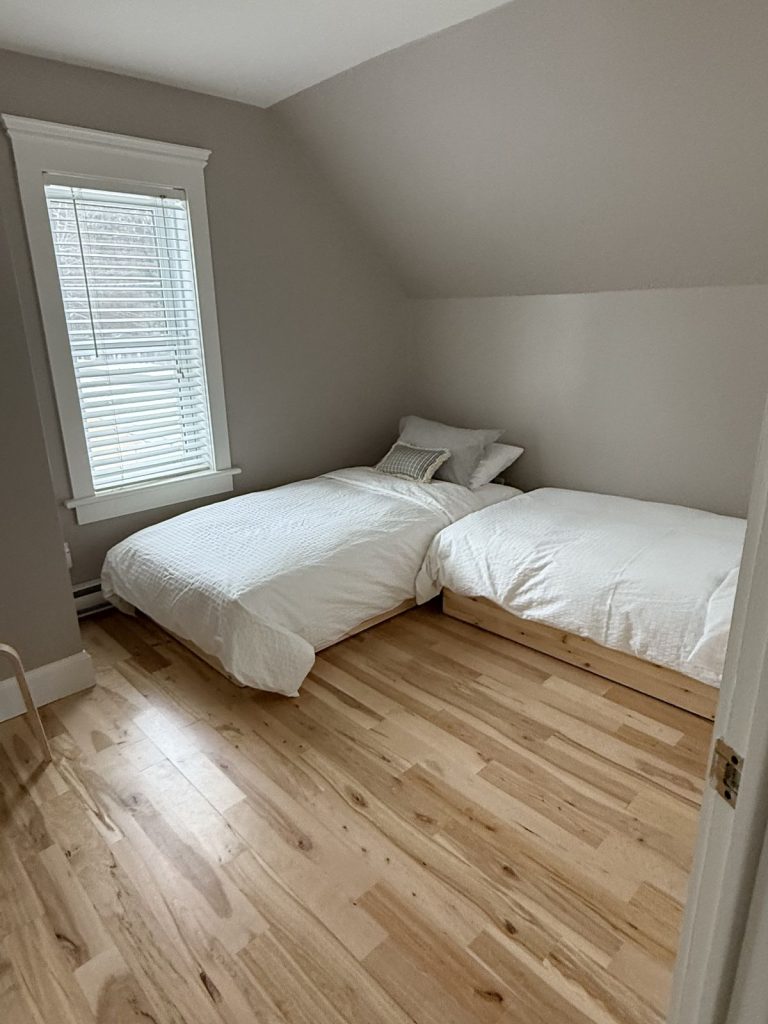
How to Save Money While Living in a PG
Living in a PG can be convenient, especially for students and working professionals who want accommodation without managing an entire house. However, rent, food, transportation, shopping and daily expenses can quickly add up.
Knowing how to save money while living in a PG can help you manage your monthly budget without compromising your comfort. Small changes in everyday habits can make a noticeable difference to your overall expenses.
Whether you are staying in a PG for college, a new job, competitive exam preparation or a temporary work assignment, these practical money-saving tips can help you stay within budget.
Why Budgeting Is Important When Living in a PG
When you move into a PG, rent is usually one of your biggest fixed expenses. But it is not the only cost you need to consider.
Your monthly spending may also include:
- Food and snacks
- Transportation
- Mobile and internet expenses
- Laundry
- Personal-care products
- Shopping
- Entertainment
- Electricity or other applicable charges
- Emergency expenses
Without a basic budget, small daily purchases can easily become a significant monthly expense.
Creating a simple spending plan at the beginning of each month can help you understand where your money is going.
1. Set a Monthly PG Budget
The first step to save money while living in a PG is to decide how much you can comfortably spend each month.
Divide your income or available monthly allowance into categories such as:
| Expense | Suggested Budget Category |
|---|---|
| PG rent | Fixed expense |
| Food | Essential |
| Travel | Essential |
| Mobile/internet | Essential |
| Personal care | Essential |
| Entertainment | Flexible |
| Shopping | Flexible |
| Emergency savings | Savings |
Your exact amounts will depend on your income, lifestyle and accommodation arrangement.
The important thing is to set limits before spending rather than trying to calculate everything at the end of the month.
2. Compare PG Facilities Before Choosing a Room
Saving money does not always mean choosing the room with the lowest rent.
A cheaper room may become more expensive if you have to spend extra on transportation, internet, furniture, laundry or other necessities.
For example, when comparing a PG in Karnal, look at the overall value of the accommodation rather than rent alone.
Kunj Niwas offers different room options, including furnished rooms, AC and non-AC options, selected rooms with kitchen or private washroom facilities, Wi-Fi connectivity, housekeeping and parking. Choosing facilities according to your actual needs can help you avoid paying for things you do not require.
You can explore the available accommodation options through the Kunj Niwas website before making a decision.
3. Avoid Unnecessary Food Deliveries
Food delivery can become one of the easiest ways to overspend.
Ordering one meal may not seem expensive, but frequent delivery charges, restaurant prices and impulse orders can significantly increase your monthly spending.
Instead:
- Plan meals in advance.
- Use available kitchen facilities where permitted.
- Keep simple snacks in your room.
- Avoid ordering food simply because you are bored.
- Compare the cost of eating out with other available options.
If your PG provides food, calculate whether the included meal arrangement can reduce your overall monthly food expenses.
4. Use Kitchen Facilities Wisely
If your accommodation provides a kitchen or kitchenette, it can be useful for preparing simple meals and beverages.
You do not necessarily need to cook elaborate meals.
Simple options such as tea, coffee, sandwiches, oats, fruits or other easy-to-prepare foods can sometimes reduce the need for frequent outside purchases.
Kunj Niwas has selected room types with attached kitchen facilities, making this an option worth considering for residents who prefer some flexibility around food preparation.
5. Save on Transportation
Transportation can become a major monthly expense if your college, workplace or coaching centre is far from your PG.
When choosing accommodation, consider its location in relation to the places you regularly visit.
A slightly different rent may sometimes be worthwhile if the location significantly reduces your daily commuting expenses.
You can also consider:
- Walking for short distances
- Cycling
- Public transportation
- Sharing rides with colleagues or friends
- Combining multiple errands into one trip
Reducing even a small daily travel expense can add up over an entire month.
6. Control Small Daily Purchases
Many people focus on large expenses while ignoring small purchases.
A ₹50 or ₹100 purchase may seem insignificant, but repeated every day, it can become a substantial monthly expense.
Watch out for:
- Daily café visits
- Packaged snacks
- Unplanned online purchases
- Frequent food delivery
- Unnecessary subscriptions
- Impulse shopping
Try tracking every small expense for one month. You may be surprised to see where your money is actually going.
7. Share Expenses Where Practical
If you live with a roommate, some expenses may be shared.
Depending on your PG’s rules and your personal preferences, you may be able to share the cost of certain household or commonly used items.
For example:
- Cleaning supplies
- Basic kitchen items
- Certain groceries
- Shared household essentials
However, make sure both people agree clearly about costs before purchasing shared items.
8. Use Electricity Responsibly
Electricity usage can contribute to your expenses depending on your PG’s billing arrangement.
Simple habits can help reduce unnecessary consumption:
- Switch off lights when leaving the room.
- Turn off fans when they are not required.
- Avoid leaving chargers plugged in unnecessarily.
- Use AC responsibly.
- Close doors and windows appropriately when using AC.
If electricity is included in your rent, these habits are still useful for reducing unnecessary energy consumption.
9. Avoid Buying Too Many Things for Your Room
When moving into a PG, it can be tempting to purchase new bedsheets, storage boxes, appliances, decorations and other items immediately.
Before buying something, ask:
Do I actually need this?
Check what your PG already provides.
Kunj Niwas, for example, lists furnished rooms with bed, mattress and storage furniture, so residents may not need to purchase basic furniture themselves.
Buying only what you genuinely need can save money and prevent your room from becoming unnecessarily crowded.
10. Make a Weekly Spending Limit
Monthly budgets can sometimes feel too broad.
Instead, divide your flexible spending into weekly limits.
For example, after accounting for rent and other fixed expenses, determine how much you can spend each week on food, entertainment and miscellaneous purchases.
If you spend less than your weekly limit, carry the remaining amount forward instead of immediately spending it.
This makes it easier to control your spending throughout the month.
11. Build an Emergency Fund
Saving money is not only about spending less.
It is also about keeping some money aside for unexpected situations.
Even a small emergency fund can help when you suddenly need money for:
- Medical expenses
- Travel
- Repairs
- Replacement of essential items
- Unexpected personal expenses
Try saving a fixed amount at the beginning of each month rather than waiting to see what remains at the end.
12. Use Student and Local Discounts
Students and young professionals can sometimes access discounts through local businesses, educational institutions, apps or membership programs.
Before paying full price, check whether a legitimate discount is available.
However, do not purchase something simply because it is discounted. A discount only saves money if you actually needed the product or service.
13. Plan Shopping in Advance
Impulse shopping can quickly affect a PG budget.
Create a shopping list before visiting a store or placing an online order.
For groceries and personal-care products, buying only what you need can prevent unnecessary spending and reduce wastage.
For larger purchases, consider waiting a day or two before buying. This gives you time to decide whether the item is genuinely necessary.
14. Track Your Monthly Expenses
You cannot improve your budget if you do not know where your money is going.
Use a notebook, spreadsheet or budgeting app to record expenses.
At the end of each week, review:
- How much you spent
- Which category cost the most
- Which purchases were unnecessary
- Whether you stayed within your budget
After one or two months, you should start noticing patterns.
15. Choose Comfort Without Paying for Unnecessary Extras
Budget-friendly living does not mean choosing the cheapest option available.
Instead, focus on getting the facilities you actually need.
For example, if you spend most of your time outside your PG, you may not need to pay extra for facilities you rarely use. On the other hand, if you work from your room, reliable Wi-Fi and a comfortable workspace may be worth prioritizing.
The best approach is to match your accommodation and lifestyle with your actual requirements.
Sample Monthly PG Budget
Here is a simple example of how a resident might organize a monthly budget:
| Category | Budget |
|---|---|
| PG Rent | ₹7,000 |
| Food & Groceries | ₹3,000 |
| Transportation | ₹1,500 |
| Mobile & Internet | ₹500 |
| Personal Care | ₹800 |
| Entertainment | ₹700 |
| Emergency Savings | ₹1,500 |
| Total | ₹15,000 |
These figures are only an example. Your actual budget should be based on your income, PG rent, lifestyle and monthly responsibilities.
Smart Habits That Help You Save Money
Developing a few simple habits can make budget management easier.
Plan Before Spending
Avoid making frequent spontaneous purchases.
Track Small Expenses
Small expenses can become large expenses when repeated regularly.
Use What You Already Have
Before buying something new, check whether you already own something that can serve the same purpose.
Prioritize Needs Over Wants
Rent, food, transportation and savings should generally come before entertainment and impulse purchases.
Review Your Budget Every Month
Your expenses may change over time. Adjust your budget whenever your rent, income, travel or lifestyle changes.
Final Thoughts
Learning to save money while living in a PG does not require giving up everything you enjoy. The key is to understand your expenses, plan ahead and avoid unnecessary purchases.
Start by setting a monthly budget, controlling food and transportation expenses, tracking small purchases and keeping an emergency fund. At the same time, choose accommodation based on overall value rather than rent alone.
If you are considering a PG in Karnal, look at the facilities, location and room options carefully so that your accommodation supports your lifestyle and budget.
You can also follow Kunj Niwas on Facebook for updates and information about its accommodation options.
With consistent budgeting and a few practical habits, PG living can be comfortable while still allowing you to save money every month.