
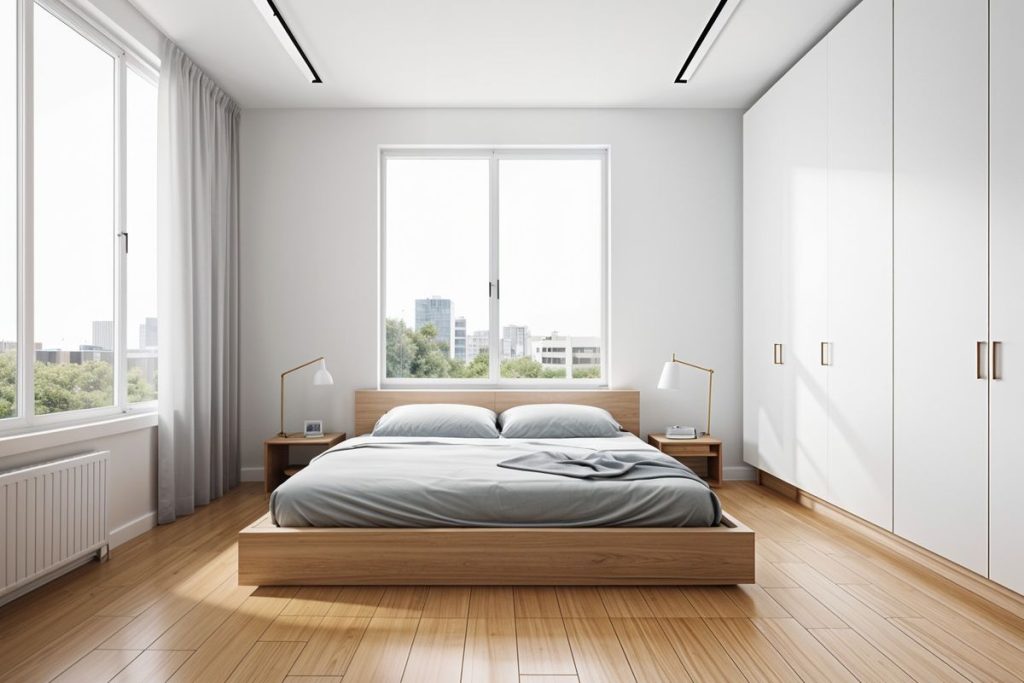
How to Save Electricity While Living in a PG
Living in a PG gives you the convenience of furnished accommodation and shared facilities, but electricity usage can become an important part of your monthly expenses. Air conditioners, fans, lights, chargers, laptops and other appliances can consume electricity throughout the day.
Learning how to save electricity in PG accommodation does not require major lifestyle changes. Simple habits such as switching off unused appliances, using natural light and managing AC usage can reduce unnecessary power consumption while making your room more comfortable.
Whether you are a student, working professional, intern or trainee, these practical electricity-saving tips can help you use energy more responsibly.
Why Should PG Residents Save Electricity?
Electricity conservation is useful for more than just reducing expenses. Using electricity efficiently can also help reduce unnecessary energy consumption and encourage better everyday habits.
For PG residents, electricity savings can be particularly useful when:
- Electricity is charged separately from rent
- AC usage is billed according to consumption
- You use a laptop or desktop for several hours
- You regularly use appliances in your room
- You stay in the PG for several months
- You want better control over your monthly budget
Even small savings every day can become meaningful over an entire month.
1. Switch Off Lights When You Leave
One of the easiest ways to save electricity in PG accommodation is to turn off lights whenever you leave the room.
It is common to leave lights switched on when going to the bathroom, dining area, office or another room. Although one light may not consume a large amount of electricity, unnecessary usage over many hours adds up.
Make it a habit to:
- Turn off lights before leaving
- Switch off bathroom lights after use
- Avoid keeping decorative lights on unnecessarily
- Check the room before going to sleep
This simple habit costs nothing and can reduce unnecessary consumption.
2. Make Better Use of Natural Light
During the daytime, you may not need artificial lighting if your room receives sufficient sunlight.
Open curtains or blinds during the day and use natural light whenever practical. A well-ventilated room with good daylight can reduce the need to keep lights switched on.
This can be especially helpful if you spend time studying or working from your PG room during the daytime.
3. Use the AC Responsibly
Air conditioning can be one of the biggest contributors to electricity consumption in a PG room.
If you have an AC room, avoid running the AC continuously when it is not necessary.
You can save power by:
- Setting a comfortable temperature instead of an extremely low temperature
- Closing doors and windows while the AC is running
- Keeping the AC filter clean
- Switching the AC off when leaving the room
- Using a fan when appropriate
- Avoiding unnecessary cooling when the room is already comfortable
You do not need to avoid using the AC completely. The goal is to use it efficiently.
4. Use Fans Wisely
Fans generally consume less electricity than air conditioners, making them useful when the weather is comfortable enough.
If the room temperature is manageable, using a fan instead of an AC can help reduce electricity consumption.
Remember to switch the fan off when you leave the room. A fan cooling an empty room provides no practical benefit.
5. Unplug Chargers After Use
Phone, laptop and other chargers are often left plugged into sockets even after the device has been fully charged.
Although the amount of energy consumed by individual chargers may be small, unplugging devices when they are not required is a good electricity-saving habit.
After charging:
- Unplug your phone charger
- Disconnect laptop chargers when appropriate
- Remove unused adapters
- Avoid leaving multiple chargers connected unnecessarily
It also keeps your room more organized.
6. Avoid Leaving Your Laptop Running Unnecessarily
Students, interns and professionals may spend several hours working on laptops.
If you are taking a long break, consider putting your laptop into sleep mode or shutting it down when you are finished for the day.
You can also adjust:
- Screen brightness
- Sleep settings
- Display timeout
- Battery settings
These small changes can help reduce unnecessary energy use.
7. Use Energy-Efficient Appliances
If you use your own appliances in the PG, consider energy-efficient options.
For example, if you need a personal appliance such as a lamp, choose an LED light rather than an older, less-efficient bulb.
Before purchasing an appliance, check its energy efficiency and expected power consumption.
If your PG provides appliances, avoid using them unnecessarily and follow the property’s usage guidelines.
8. Don’t Leave the TV On in the Background
Some people keep the television switched on even when they are not watching it.
If you are studying, working, sleeping or leaving the room, switch the TV off.
Instead of using the TV as background noise, consider listening to audio through a device that consumes less power when appropriate.
9. Be Careful With Electric Kettles and Cooking Appliances
Some PG rooms may provide kitchen access or allow certain appliances depending on the property’s rules.
Electric kettles, induction cooktops and similar appliances can consume significant power during regular use.
If such appliances are permitted:
- Heat only the amount of water you need
- Avoid repeatedly reheating the same water
- Switch the appliance off immediately after use
- Follow the PG’s appliance and safety rules
Always check the property’s policies before using personal heating or cooking equipment.
10. Keep Your Refrigerator Efficient
If your PG room or shared kitchen includes a refrigerator, use it efficiently.
Avoid leaving the refrigerator door open for a long time. Take out what you need and close it promptly.
Also avoid putting very hot food directly into the refrigerator. Allow it to cool appropriately before storage.
If the refrigerator is shared, maintaining organized shelves can make it easier to find items quickly and reduce the time the door remains open.
11. Keep Doors and Windows Closed When Using AC
When an AC is running, keeping doors and windows closed helps maintain the desired room temperature.
If cool air continually escapes, the AC may need to work harder to maintain the temperature.
Before switching on the AC, check:
- Windows are properly closed
- Door is properly shut
- Curtains are positioned appropriately
- There are no obvious openings allowing excessive air leakage
This simple practice can make cooling more efficient.
12. Avoid Using Multiple Appliances at the Same Time Without Need
If you are using a laptop, television, room heater and other appliances simultaneously without needing all of them, you may be consuming more electricity than necessary.
Think about which appliances you actually need at a particular time.
For example, if you are studying on your laptop, you may not need the television switched on in the background.
Efficient electricity use starts with avoiding unnecessary consumption.
13. Use Your PG’s Facilities Responsibly
Many PGs provide common facilities such as:
- Washing machines
- Water heaters
- Kitchen appliances
- Refrigerators
- Common-area lighting
- Water pumps
- Internet equipment
As a resident, use these facilities according to the property’s instructions.
Do not operate shared appliances unnecessarily or leave them running after use.
If you notice a common-area appliance that has been left on unnecessarily, inform the property manager or responsible person.
14. Check Your Room Before Going to Sleep
Create a simple nighttime electricity checklist.
Before sleeping, check:
- Lights are off
- Fan or AC is set appropriately
- TV is switched off
- Unnecessary chargers are unplugged
- Laptop is shut down or in the appropriate power-saving mode
- Bathroom lights are off
It takes less than a minute but can prevent several hours of unnecessary electricity use.
15. Use Power-Saving Settings
Modern phones, laptops and other electronic devices often include power-saving features.
Use settings such as:
- Battery saver
- Sleep mode
- Automatic screen timeout
- Lower screen brightness
- Automatic display-off settings
These features can reduce power consumption without affecting your normal routine significantly.
How Electricity Savings Can Help Your PG Budget
Saving electricity is part of managing your overall monthly accommodation budget.
Instead of looking at electricity separately, consider your total monthly expenses:
| Expense | Example Consideration |
|---|---|
| PG Rent | Fixed monthly amount |
| Electricity | Depends on usage or property policy |
| Food | Included or separate |
| Internet | Included or additional |
| Laundry | Included or additional |
| Transportation | Depends on workplace location |
| Personal Expenses | Shopping, entertainment and other needs |
Reducing unnecessary electricity usage can help keep your overall spending more predictable.
What About AC vs Non-AC PG Rooms?
If you are comparing accommodation options, your electricity requirements may be different for AC and non-AC rooms.
An AC room can provide greater comfort during hot weather, but electricity consumption may be higher depending on usage and the property’s billing arrangement.
A non-AC room may have lower electricity requirements, especially when a fan provides sufficient comfort.
The right choice depends on your budget, season, personal comfort and the electricity terms offered by the PG.
Before booking, always ask whether electricity is included in the rent or charged separately.
Check Electricity Terms Before Booking a PG
Electricity policies can differ from one property to another.
Before booking a PG, ask:
- Is electricity included in monthly rent?
- Is there a separate electricity charge?
- Is billing based on actual usage?
- Is there a fixed monthly electricity amount?
- Are AC rooms charged differently?
- Are there any additional appliance charges?
Getting clear answers before moving in can help you avoid unexpected expenses.
For residents looking for furnished accommodation with practical facilities in Karnal, you can explore the available options at Kunj Niwas.
Simple Daily Electricity-Saving Routine
You do not need a complicated system to manage electricity.
Try this simple routine:
Morning:
Use natural light whenever possible and switch off lights after leaving the room.
During Work or Study:
Use power-saving settings on your laptop and avoid keeping unnecessary appliances running.
Afternoon:
Use fans when comfortable and avoid unnecessary AC operation.
Evening:
Switch on only the lights you need.
Before Sleeping:
Turn off unnecessary appliances, lights and chargers.
Following the same routine every day can make electricity conservation automatic.
Common Electricity-Saving Mistakes to Avoid
Some habits may seem harmless but can increase unnecessary electricity consumption.
Avoid:
- Leaving lights on in empty rooms
- Running AC when nobody is present
- Keeping the TV on without watching it
- Leaving chargers plugged in unnecessarily
- Running appliances longer than required
- Keeping refrigerator doors open
- Ignoring faulty switches or appliances
- Using personal electrical appliances against PG rules
If an appliance, switch or socket appears faulty, report it rather than trying to repair electrical equipment yourself.
Why Saving Electricity Is Better for PG Living
Electricity conservation can make shared accommodation more efficient for everyone.
When residents use electricity responsibly:
- Monthly expenses can be easier to manage
- Shared resources are used more efficiently
- Appliances may experience less unnecessary usage
- Residents develop better energy habits
- The overall living environment becomes more responsible
Small individual actions can contribute to better resource management across the property.
FAQs About Saving Electricity in a PG
How can I save electricity in my PG room?
Start with simple habits such as switching off lights, using natural daylight, unplugging unused chargers, managing AC usage and turning off appliances when leaving the room.
Does using a fan instead of AC save electricity?
Generally, a fan consumes much less electricity than an AC. When the room temperature is comfortable enough, using a fan can be a practical way to reduce electricity consumption.
Should I unplug my phone charger after charging?
Unplugging chargers when they are not needed is a simple electricity-saving habit and also helps keep your room organized.
Is electricity usually included in PG rent?
It depends on the property. Some PGs include electricity within certain terms, while others charge separately based on usage or have specific electricity policies. Always confirm before booking.
How can students save electricity in a PG?
Students can save power by using natural light, switching off unused appliances, managing laptop usage, avoiding unnecessary AC use and developing a simple daily electricity-saving routine.
What should I ask about electricity before booking a PG?
Ask whether electricity is included, how usage is calculated, whether AC has separate charges and whether personal appliances have any additional fees.
Final Thoughts
Learning to save electricity in PG accommodation is mainly about developing simple and consistent habits. Switching off unused lights, managing AC and fan usage, unplugging unnecessary chargers and using appliances responsibly can all contribute to lower unnecessary power consumption.
For students, interns, trainees and working professionals, these habits can also support better monthly budgeting. Before moving into a PG, understand the property’s electricity policy so you know exactly how your power usage will affect your expenses.
For accommodation updates and information, you can also connect with Kunj Niwas on Facebook.