
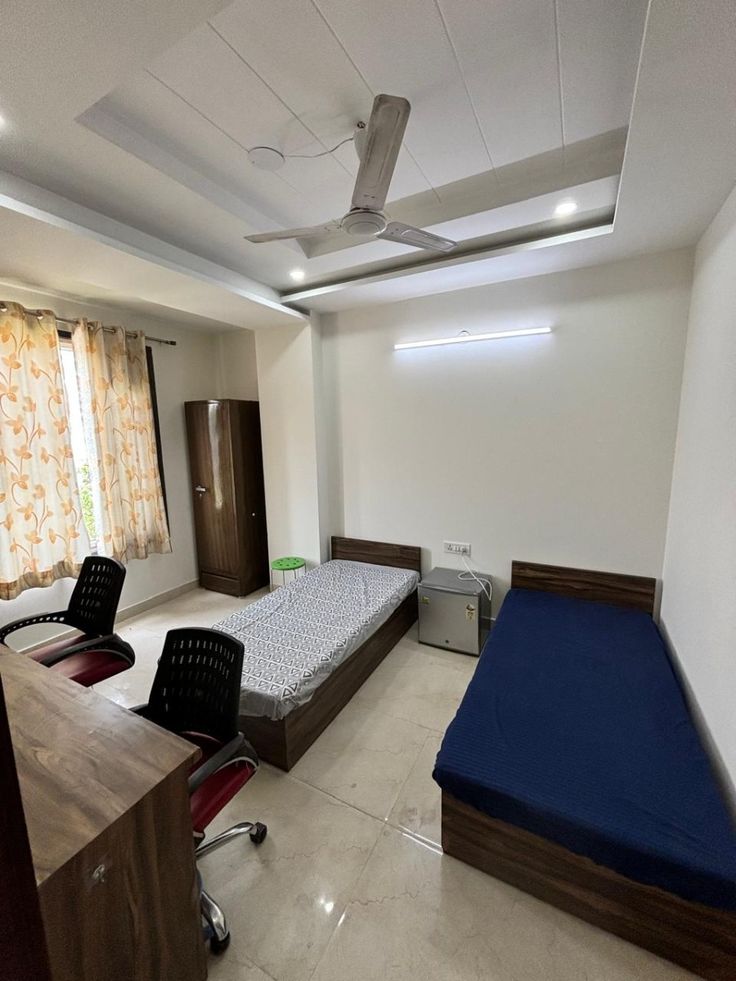
Roommate Rules Every PG Tenant Should Discuss
Sharing a PG room can make accommodation more affordable and provide a friendly living environment. But when two people share the same room, everyday habits can sometimes create misunderstandings.
That is why discussing roommate rules for PG tenants before or soon after moving in can make shared living much easier. Simple agreements about cleanliness, noise, privacy, guests, expenses and personal belongings can prevent many common conflicts.
The goal is not to create strict rules for every small activity. Instead, both roommates should agree on reasonable boundaries that make the room comfortable for everyone.
Why Roommate Rules Are Important in a PG
A shared PG room is a personal space used by more than one person. Each tenant may have different habits, schedules and expectations.
For example, one person may prefer sleeping early while the other works or studies late. One roommate may like a very tidy room, while the other may be less particular about organization.
Clear expectations help roommates understand what is acceptable and what may disturb the other person.
Before moving into a shared room, discussing lifestyle, cleanliness, sleeping schedules, privacy and financial expectations can help reduce disagreements later.
Roommate Rules for PG Tenants to Discuss
1. Set Quiet Hours
Noise is one of the most common issues in shared accommodation.
Discuss what time the room should become quieter, particularly during sleeping or study hours.
You can agree to:
- Use headphones for music and videos.
- Keep phone calls short or take long calls outside.
- Avoid loud conversations late at night.
- Keep alarms at a reasonable volume.
- Respect your roommate’s sleeping schedule.
Quiet hours do not have to be rigid. The important thing is that both roommates understand each other’s needs.
2. Agree on Cleaning Responsibilities
Do not assume that both people have the same definition of a clean room.
Discuss basic expectations for:
- Clothes
- Shoes
- Dustbins
- Shared surfaces
- Food containers
- Bathroom areas
- Bed and personal spaces
If your PG provides housekeeping, understand what areas and services are covered. For anything outside the provided service, decide how roommates will handle it.
A simple weekly cleaning routine can prevent clutter from building up.
3. Respect Personal Belongings
One of the most important PG roommate rules is to respect each other’s belongings.
Do not use your roommate’s:
- Clothes
- Shoes
- Electronics
- Food
- Toiletries
- Books
- Personal documents
without permission.
Even if you have a friendly relationship, asking before borrowing something prevents unnecessary misunderstandings.
4. Discuss Food and Groceries
Food can become a sensitive issue when roommates have different eating habits.
Decide whether you will:
- Buy groceries together.
- Keep food completely separate.
- Share only basic ingredients.
- Split the cost of selected items.
- Store personal food separately.
For example, you might agree to share cooking oil and basic groceries while keeping snacks and personal food separate.
A clear system makes it easier to manage both food and money.
5. Decide How Shared Expenses Will Be Divided
Discuss financial responsibilities before they become a problem.
Depending on the PG arrangement, shared expenses may include:
- Rent
- Electricity
- Wi-Fi
- Cleaning supplies
- Common groceries
- Household essentials
Decide whether each expense will be divided equally or according to usage.
For example, if both roommates use Wi-Fi equally, a 50/50 split may be simple. If electricity usage is significantly different, you may want to discuss a more suitable arrangement.
Keep a record of shared expenses so everyone knows what has been paid.
6. Set Rules for Guests
Different roommates can have very different attitudes toward visitors.
One person may enjoy having friends over frequently, while another may prefer a quiet and private room.
Discuss:
- Whether visitors are allowed.
- How often friends can visit.
- Whether guests need advance notice.
- Whether overnight guests are permitted.
- What the PG management allows.
Most importantly, follow the official rules of your accommodation.
A roommate should not invite someone into the shared room without considering the other person’s comfort.
7. Discuss Sleeping Schedules
Sleeping schedules can have a major effect on shared living.
Before sharing a room, discuss:
- Normal bedtime
- Wake-up time
- Night shifts
- Early college or office timings
- Late-night study
- Weekend schedules
If your routines are different, agree on practical solutions.
For example, a roommate who stays up late can use headphones and keep the room lights low while the other person sleeps.
8. Create a Rule for Lights
Something as simple as switching off the light can become a regular source of disagreement.
If one roommate sleeps early and the other needs to study late, discuss alternatives such as:
- Using a desk lamp.
- Keeping the main light off.
- Using a small reading light.
- Studying in a common area where permitted.
The objective is to accommodate both people’s routines without unnecessarily disturbing either person.
9. Discuss AC and Fan Usage
Temperature preferences can vary significantly between roommates.
Discuss:
- Preferred AC temperature.
- How frequently AC should be used.
- Fan usage.
- Window preferences.
- Electricity considerations.
If the room has shared electricity charges, agree on responsible usage.
The solution should balance personal comfort with reasonable energy consumption.
10. Keep Shared Areas Organized
Even when roommates have separate beds and storage, some areas are shared.
These may include:
- Room entrance
- Table
- Bathroom
- Kitchen area
- Shoe space
- Common shelves
Agree on where shared items should be kept.
Do not allow bags, shoes, food containers or other belongings to permanently occupy shared areas.
11. Discuss Bathroom Etiquette
If you share a bathroom, establish simple habits.
For example:
- Keep the bathroom reasonably clean.
- Do not leave personal items everywhere.
- Replace items when they run out if they are shared.
- Avoid taking unnecessarily long showers when your roommate is waiting.
- Report maintenance problems promptly.
If housekeeping handles bathroom cleaning, both roommates should still avoid leaving the space unnecessarily messy.
12. Set Boundaries Around Privacy
Living together does not mean you have to share every part of your personal life.
Respect your roommate’s:
- Phone conversations
- Personal messages
- Work documents
- Study materials
- Personal belongings
- Private conversations
Do not read messages or documents that are not yours.
Similarly, give your roommate space when they need time alone or want to focus on work or studies.
13. Agree on Borrowing Rules
Create a simple rule:
Ask before borrowing.
This applies to everything from chargers and headphones to clothes and books.
If your roommate says no, respect the answer without taking it personally.
Small boundaries can make shared living much more comfortable.
14. Discuss Study and Work Requirements
If either roommate studies or works from the room, discuss their schedule.
For example:
- When are online meetings?
- When are exams?
- What are the regular study hours?
- When is quiet time needed?
- Can music be played during work hours?
A shared calendar or simple conversation about important schedules can help both roommates plan around each other.
15. Agree on Laundry Habits
Laundry can take up valuable space in a small PG room.
Discuss:
- Where dirty clothes will be kept.
- Where clean clothes should be stored.
- Whether laundry is handled individually.
- How drying space will be shared.
- Whether any common laundry supplies are shared.
Keeping clothes organized also helps prevent the room from looking crowded.
16. Decide How to Handle Shared Purchases
If you need a common item, discuss it before purchasing.
Examples include:
- Cleaning supplies
- Dustbins
- Storage items
- Kitchen essentials
- Small household products
Agree on whether the item is genuinely needed and how the cost will be divided.
This avoids situations where one person purchases something and expects the other to pay without discussion.
17. Do Not Make Major Decisions Without Discussing Them
A shared room means certain decisions affect both people.
Avoid making significant changes without talking to your roommate.
For example:
- Bringing large furniture
- Rearranging shared areas
- Inviting guests
- Purchasing expensive shared items
- Changing the room setup
A quick discussion can prevent unnecessary disagreements.
18. Handle Disagreements Calmly
Even compatible roommates can disagree.
When something bothers you, discuss the specific issue instead of criticizing the person’s personality.
Instead of:
“You are so messy.”
Try:
“Could we keep the floor clear so there is more walking space?”
Instead of:
“You are always making noise.”
Try:
“Could we keep the room quieter after 11 PM? I need to sleep.”
Specific requests are easier to understand and resolve.
19. Respect Each Other’s Routine
Your roommate may have a completely different daily routine from yours.
They may:
- Wake up earlier.
- Sleep later.
- Work night shifts.
- Study at different times.
- Exercise regularly.
- Spend more time outside the room.
You do not need to follow the same routine. You simply need to respect the differences.
20. Follow the PG’s Rules
Your personal roommate agreement should never override the rules of the accommodation.
Before moving into a shared room, understand the PG’s policies regarding:
- Visitors
- Noise
- Security
- Cooking
- Smoking
- Timings
- Cleanliness
- Common areas
- Appliances
If there is a disagreement about a rule, speak with the PG management rather than creating your own arrangement that violates the accommodation policy.
Simple PG Roommate Agreement
You do not need a complicated legal document to establish basic expectations.
A simple written agreement could cover:
| Topic | Agreed Rule |
|---|---|
| Quiet Hours | Keep noise low after agreed time |
| Cleaning | Keep personal and shared areas clean |
| Food | Personal food remains separate |
| Expenses | Shared costs recorded and divided fairly |
| Guests | Follow PG visitor rules |
| Borrowing | Ask before using belongings |
| Lights | Use a desk lamp during sleeping hours |
| AC | Agree on reasonable temperature |
| Privacy | Respect personal space |
| Disagreements | Discuss issues calmly |
Writing down these basic points can help both roommates remember what they agreed to.
Benefits of Setting Roommate Rules Early
Discussing roommate rules for PG tenants before problems occur can offer several benefits.
Fewer Arguments
Clear expectations reduce misunderstandings.
Better Privacy
Both people know which boundaries should be respected.
Easier Expense Management
Everyone understands who pays for shared items.
Cleaner Room
Cleaning responsibilities become clearer.
Better Sleep
Quiet hours and light rules can protect sleeping schedules.
Comfortable Daily Living
Both roommates know what behaviour is expected in the shared space.
Choosing a PG With a Suitable Sharing Arrangement
Roommate rules are important, but the accommodation itself also matters.
When looking for a PG in Karnal, consider room size, storage, furniture, ventilation, washroom arrangements, Wi-Fi, housekeeping and security.
Kunj Niwas provides furnished PG accommodation in Karnal with different room options and facilities depending on the selected room type. You can explore the Kunj Niwas website to understand the available accommodation options before choosing a suitable room.
Choosing an accommodation with practical facilities and a suitable room arrangement can make shared living easier from the beginning.
Final Thoughts
Good roommate rules for PG tenants do not need to be complicated. A few clear agreements about cleanliness, noise, privacy, food, expenses, guests and daily routines can make a major difference.
The most important rule is simple: respect the person you are sharing the room with.
Talk about expectations early, communicate when problems arise and be willing to compromise when reasonable. Shared PG living becomes much easier when both roommates understand that comfort works both ways.
If you want to stay updated about Kunj Niwas and its accommodation options, you can also follow Kunj Niwas on Facebook.
With clear rules and respectful communication, sharing a PG room can be affordable, comfortable and much less stressful.