
hen you live together.
For example, one person may prefer sleeping early while the other stays awake late. One roommate may enjoy a very organized room, while the other is more relaxed about clutter.
Compatibility does not mean having identical habits. It means finding a practical way to live together comfortably.
Factors such as sleeping schedules, study routines, cleanliness, noise levels and personal boundaries are commonly highlighted when evaluating shared accommodation.
What Should You Look for in PG Roommate Compatibility?
1. Similar Sleeping Schedules
Your sleeping routine is one of the first things you should discuss.
Ask your potential roommate:
- What time do you usually sleep?
- What time do you wake up?
- Do you work night shifts?
- Do you study late at night?
- Do you wake up early for college or work?
If one person sleeps at 10 PM and the other regularly stays awake until 2 AM, the difference may become frustrating.
You do not need identical schedules, but both people should be willing to respect each other’s sleeping hours.
2. Cleanliness Habits
Cleanliness is another major part of PG roommate compatibility.
Before sharing a room, discuss expectations around:
- Clothes
- Shoes
- Dustbins
- Bedsheets
- Dishes
- Bathroom cleanliness
- Shared surfaces
- Food leftovers
A person who prefers a spotless room may struggle with someone who is comfortable leaving clothes and bags everywhere.
Neither person necessarily has to change their personality. Instead, agree on basic standards that both roommates can follow.
3. Noise Preferences
Noise can become a major problem in a shared room.
Discuss whether you are comfortable with:
- Music
- Phone calls
- Video calls
- Television
- Late-night conversations
- Guests talking inside the room
If one roommate works from the room or prepares for competitive exams, excessive noise may interfere with concentration.
Using headphones, maintaining quiet hours and taking long calls outside the room when possible can help.
4. Study or Work Routine
If you are a student or working professional, your daily routine matters.
A student preparing for exams may need several hours of quiet study, while another roommate may spend most of their free time watching videos or socializing.
Similarly, someone working from their PG room may need a quiet environment for meetings and calls.
Before sharing a room, discuss:
- College or office timings
- Work-from-home requirements
- Study hours
- Meeting schedules
- Quiet hours
- Weekend routines
Finding someone whose routine is reasonably compatible can make daily life much easier.
5. Personal Space and Privacy
Sharing a room does not mean sharing everything.
A good roommate should understand that both people need personal space.
Discuss boundaries around:
- Using each other’s belongings
- Borrowing clothes
- Using personal electronics
- Opening cupboards
- Handling documents
- Using personal toiletries
- Inviting people into the room
A simple rule can prevent many problems:
Ask before using something that belongs to your roommate.
Respecting boundaries helps build trust.
6. Food Habits
Food preferences may seem like a small issue, but they can become important when roommates share a room or kitchen facilities.
You may want to discuss:
- Vegetarian or non-vegetarian preferences
- Cooking habits
- Food storage
- Snacks
- Shared groceries
- Eating schedules
- Food smells
If you have very different food habits, agree on how common areas and food storage will be managed.
Keeping personal food separate can also prevent confusion about shared expenses.
7. Financial Habits
Money can create unnecessary tension between roommates.
Before moving in together, discuss how you will handle shared expenses such as:
- Rent
- Electricity
- Wi-Fi
- Cleaning supplies
- Shared groceries
- Common household items
If one person regularly pays late or avoids shared expenses, the arrangement can become stressful.
A simple shared expense record can make payments easier to track.
Fairness does not always mean splitting every expense 50/50. The method should make sense based on how the expense is used and what both roommates agree upon.
8. Guest Preferences
Different people have different comfort levels when it comes to guests.
One roommate may enjoy having friends visit regularly, while another may prefer the room to remain private.
Discuss:
- Whether guests are allowed
- How often visitors can come
- Whether overnight guests are permitted
- Whether you need to inform each other
- What the PG’s rules say about visitors
Always follow the accommodation’s guest policy.
Discussing expectations in advance can prevent uncomfortable situations later.
9. Communication Style
A good roommate does not need to agree with you about everything.
What matters is whether you can communicate when something is bothering you.
For example, instead of saying:
“You are always making noise.”
Try:
“Could we keep the room quieter after 11 PM? I need to sleep early.”
Specific and respectful communication makes problems easier to solve.
Many roommate conflicts begin with expectations that were never discussed openly.
10. Personality and Social Habits
You do not need to find someone who has exactly the same personality as you.
However, extreme differences in social habits can sometimes become difficult.
Consider whether your roommate is:
- Very social
- Quiet and private
- Frequently outside
- Comfortable with frequent visitors
- Someone who prefers personal space
A quiet person can live happily with a social roommate if both respect boundaries.
The goal is compatibility, not identical personalities.
11. Work or College Timings
Your daily schedule can strongly affect shared living.
For example, a night-shift employee may return when another roommate is sleeping.
A student with early classes may need to wake up before a roommate who works late.
Discuss your regular schedule before choosing a shared room.
If your schedules are very different, agree on practical solutions such as using headphones, keeping lights low and avoiding unnecessary noise during sleeping hours.
12. Temperature Preferences
Room temperature can become surprisingly important when sharing an AC room.
Discuss:
- Preferred AC temperature
- How frequently you use AC
- Fan usage
- Window preferences
- Whether you are comfortable sleeping with AC
If one person feels cold while the other feels hot, you may need to find a middle ground.
This is particularly important when electricity costs are shared.
13. Bathroom and Personal-Care Habits
If the room has an attached bathroom or you share a bathroom with your roommate, discuss basic expectations.
For example:
- How long do you usually take?
- How often should it be cleaned?
- Where should toiletries be stored?
- How will cleaning responsibilities be handled?
Keeping personal belongings organized and maintaining basic cleanliness can prevent unnecessary disagreements.
14. Similar Expectations About Room Organization
Your roommate does not need to be extremely organized, but both people should agree on basic room standards.
Discuss where you will keep:
- Shoes
- Bags
- Laundry
- Books
- Food
- Personal-care products
- Waste
In a small shared PG room, organization becomes especially important because two people’s belongings need to fit into limited space.
15. Respect for PG Rules
Your roommate should also be willing to follow the accommodation’s rules.
These may cover areas such as:
- Visitors
- Noise
- Entry and exit
- Smoking
- Cooking
- Cleanliness
- Common areas
- Security
Before moving in, make sure both of you understand the PG’s rules rather than assuming that everyone follows the same expectations.
PG Roommate Compatibility Checklist
Before sharing a PG room, ask yourself:
| Compatibility Factor | What to Discuss |
|---|---|
| Sleeping | Bedtime and wake-up time |
| Cleanliness | Room and bathroom standards |
| Noise | Music, calls and quiet hours |
| Study/Work | Study and work schedules |
| Privacy | Personal belongings and boundaries |
| Food | Eating and storage habits |
| Money | Rent and shared expenses |
| Guests | Visitors and overnight stays |
| AC | Temperature and usage |
| Social Life | Friends and personal space |
| Communication | How to handle disagreements |
| PG Rules | Rules both residents must follow |
Questions to Ask a Potential PG Roommate
Before finalizing a shared room, consider asking:
- What time do you normally sleep?
- Do you study or work from the room?
- How clean do you like your room?
- Are you comfortable sharing household expenses?
- How often do you have friends visit?
- Do you prefer a quiet or social room?
- How do you feel about sharing food or groceries?
- Do you use AC frequently?
- Are you comfortable with shared cleaning responsibilities?
- What are your most important expectations from a roommate?
These questions do not need to feel like an interview. A casual conversation can reveal a lot about whether your routines are compatible.
What If You and Your Roommate Are Not Compatible?
Sometimes you may discover that your habits are very different even after moving in.
Do not immediately turn the situation into an argument.
First, identify the specific problem.
For example:
Problem: Your roommate stays awake late.
Possible solution: Use headphones and keep lights low after an agreed time.
Problem: The room becomes messy.
Possible solution: Create a simple cleaning routine.
Problem: Shared expenses are confusing.
Possible solution: Maintain a shared expense record.
Problem: The difference is too significant to manage.
Possible solution: Discuss the situation with the PG management and ask about available room-change options.
The important thing is to address specific behaviours rather than attacking your roommate’s personality.
Choose a PG That Supports Comfortable Shared Living
Roommate compatibility is important, but the accommodation itself also matters.
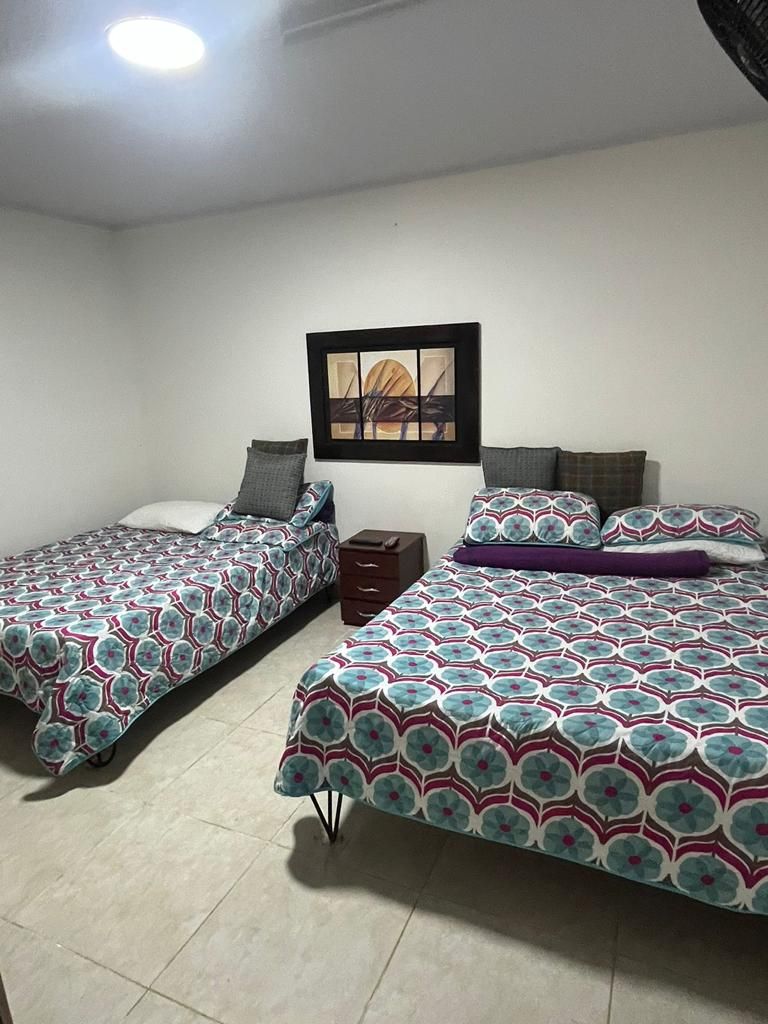
When searching for a PG in Karnal, consider room size, storage, ventilation, furniture, bathroom arrangements, Wi-Fi, housekeeping, security and the available sharing options.
Kunj Niwas provides furnished PG accommodation in Karnal with different room options and facilities depending on the selected room type. You can explore the Kunj Niwas website to understand the available accommodation options before choosing a room.
A comfortable room with adequate space and practical facilities can make it easier for roommates to maintain their own areas while sharing the same room.
Final Thoughts
Good PG roommate compatibility is not about finding someone who is exactly like you.
Instead, look for someone whose lifestyle, schedule and expectations can reasonably work with yours. Sleeping habits, cleanliness, noise levels, privacy, study or work routines, finances and communication are some of the most important areas to discuss.
Before moving into a shared PG room, have an honest conversation about your expectations. A few minutes of discussion can prevent many misunderstandings later.
If you want to stay updated about Kunj Niwas and its accommodation options, you can also follow Kunj Niwas on Facebook.
The right roommate does not have to become your best friend. They simply need to be someone with whom you can share space respectfully, communicate openly and maintain a comfortable everyday routine.