
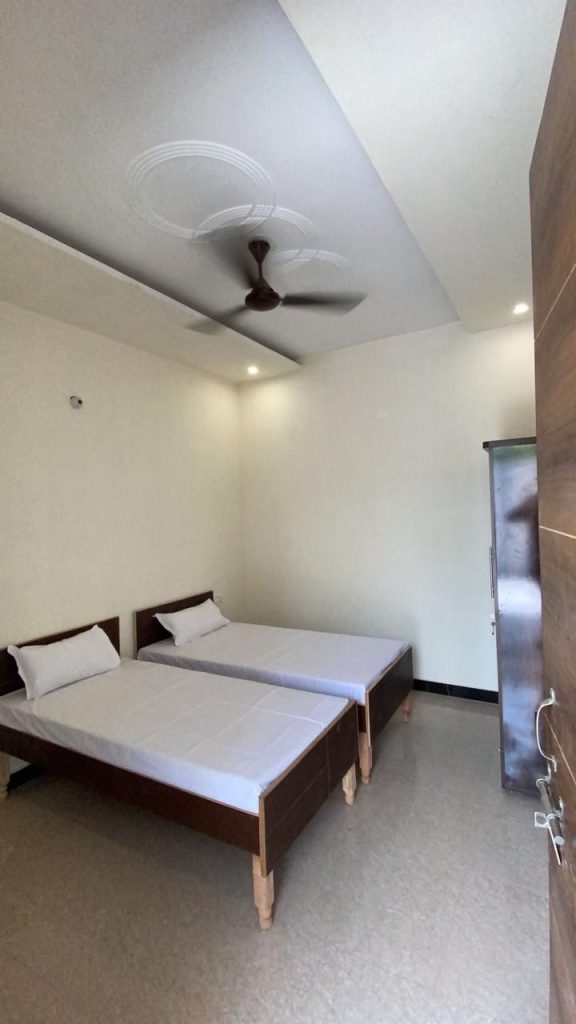
How to Split Expenses With a PG Roommate Fairly
Sharing a PG room can be a great way to make accommodation more affordable and enjoy everyday life with someone you know. However, money can sometimes become a source of disagreement when roommates are unclear about who should pay for what.
Learning how to split expenses with a PG roommate fairly can prevent misunderstandings and make shared living much more comfortable.
From rent and electricity to Wi-Fi, groceries and cleaning supplies, the key is to decide which expenses are shared, how they should be divided and when everyone should pay.
Why Roommate Expenses Can Become Difficult
Most roommate money problems do not necessarily happen because someone does not want to pay. They often happen because people have different expectations.
For example, one roommate may assume that groceries are shared, while the other prefers to purchase food separately. One person may use the AC more frequently, while another may spend most of the day outside.
Clear rules agreed upon in advance can help prevent these situations. Financial guidance on shared living similarly recommends deciding which costs are shared, choosing a fair splitting method and tracking payments consistently.
Which Expenses Should PG Roommates Share?
Start by dividing expenses into shared and personal categories.
Common Shared Expenses
Depending on your PG arrangement, shared costs may include:
- Room rent
- Electricity
- Wi-Fi
- Water
- Cleaning supplies
- Common groceries
- Household essentials
- Shared appliances or items
- Common maintenance expenses
Personal Expenses
Some expenses should normally remain individual:
- Personal shopping
- Personal toiletries
- Medicines
- Individual snacks
- Personal subscriptions
- Clothes
- Personal electronics
- Food ordered only for yourself
A simple rule is:
If everyone uses it, consider sharing it. If only one person uses it, keep it personal.
Not every expense needs to be divided equally. The fairest method depends on who benefits from the expense and how much they use it.
How to Split Expenses With a PG Roommate
1. Discuss Money Before Problems Start
Do not wait until someone complains about an unpaid bill.
Have a simple conversation when you start sharing the room.
Discuss:
- What will be shared?
- What will remain personal?
- How will rent be divided?
- How will electricity be handled?
- Who will pay the bills?
- When should everyone reimburse each other?
- How will unexpected expenses be handled?
A short conversation at the beginning can prevent repeated arguments later.
2. Split Rent Equally When the Arrangement Is Equal
If both roommates have similar room arrangements and facilities, an equal rent split is usually the simplest option.
For example:
Monthly room rent: ₹12,000
Two roommates: 2
Each roommate: ₹6,000
However, equal splitting may not always be appropriate.
If one person has a significantly different room arrangement, private facilities or another agreed advantage, you can discuss whether the rent should be adjusted.
The important thing is that both roommates agree to the arrangement before committing to it.
3. Divide Electricity Fairly
Electricity can be slightly more complicated than rent.
If both roommates use electricity similarly, an equal split may be practical.
For example:
Electricity bill: ₹2,000
Two roommates: 2
Each person: ₹1,000
But if one roommate uses an AC or other high-consumption appliance much more than the other, you can discuss a usage-based adjustment.
The goal is not to calculate every unit perfectly. The goal is to use a method that both roommates consider reasonable.
4. Decide How to Handle Wi-Fi
Wi-Fi is usually a straightforward shared expense if both roommates use it.
For example:
Wi-Fi bill: ₹600
Two roommates: 2
Each person: ₹300
Because both people receive the same service, equal splitting is generally simple.
Add the Wi-Fi payment to your monthly shared-expense list so it does not become an overlooked bill.
5. Be Clear About Food and Groceries
Food can become one of the biggest sources of roommate disagreements.
You should decide whether you will:
- Buy groceries together
- Cook together
- Share basic ingredients
- Purchase food individually
- Share only certain household food items
For example, you may agree to share rice, cooking oil and basic spices while keeping snacks and personal food separate.
If one roommate eats outside frequently, splitting every grocery purchase equally may not feel fair.
A useful approach is to distinguish between common groceries and personal food. Shared-living guidance commonly recommends keeping individual food purchases separate unless everyone has agreed to share them.
6. Decide Who Pays First
Sometimes one person will need to pay the full bill initially.
For example:
- Roommate A pays electricity.
- Roommate B pays Wi-Fi.
- Roommate A buys cleaning supplies.
- Roommate B purchases shared groceries.
At the end of the week or month, calculate everyone’s final share.
This avoids making both roommates transfer money for every small purchase.
However, record each payment immediately instead of relying on memory.
7. Keep a Shared Expense Record
A simple shared spreadsheet, notes document or expense-tracking app can make things much easier.
Record:
| Expense | Amount | Paid By | Split Between |
|---|---|---|---|
| Electricity | ₹2,000 | Roommate A | Both |
| Wi-Fi | ₹600 | Roommate B | Both |
| Cleaning Supplies | ₹400 | Roommate A | Both |
| Shared Groceries | ₹1,200 | Roommate B | Both |
At the end of the month, calculate the total contribution of each person.
Recording expenses as they happen is recommended by several roommate-expense guides because trying to remember payments at the end of the month can create confusion.
8. Use the Right Splitting Method
Not every expense needs the same calculation.
Equal Split
Best for expenses used equally.
Examples:
- Wi-Fi
- Cleaning supplies
- Common household items
Usage-Based Split
Useful when one person clearly uses more.
Examples:
- Electricity
- Certain shared appliances
Group Split
If three roommates share a particular expense but a fourth does not use it, divide the cost among the three people who benefit.
Unequal Rent Split
If rooms or facilities differ significantly, roommates can mutually agree on different rent contributions.
Fair does not always mean 50/50. It means the method should make sense to everyone involved.
9. Set a Fixed Settlement Date
Do not keep saying, “I’ll pay you later.”
Choose a regular settlement date.
For example:
Last day of every month
or
First weekend of every month
On that date, check the shared expense record and settle outstanding amounts.
A predictable payment schedule makes roommate finances much easier to manage.
10. Handle Small Expenses Sensibly
You do not need to calculate every ₹20 or ₹30 expense if doing so creates more confusion than value.
For example, if one roommate occasionally buys a small household item, you may choose to balance it against another shared purchase.
However, larger or recurring expenses should always be recorded.
The goal is to have a system that is accurate enough to be fair without making everyday life unnecessarily complicated.
11. Discuss Unexpected Expenses
Unexpected expenses can create problems if there is no agreed rule.
For example:
- A shared appliance stops working.
- A common item needs replacement.
- A maintenance expense appears.
- A household item needs urgent repair.
Before making a significant purchase, discuss it with your roommate.
For larger expenses, agree on:
- What needs to be purchased.
- Why it is needed.
- How much it costs.
- Who will pay initially.
- How the cost will be divided.
Clear communication about unexpected expenses is an important part of maintaining a fair roommate arrangement.
12. Don’t Mix Personal and Shared Expenses
This is one of the most important rules.
If you purchase something only for yourself, do not automatically add it to the shared bill.
For example:
Personal: Your shampoo
Shared: Common cleaning liquid
Personal: Your restaurant order
Shared: Groceries everyone agreed to purchase
Personal: Your online shopping
Shared: Common household supplies
Keeping these categories separate makes the monthly calculation much easier.
13. Use Digital Payments for Easy Settlement
For residents in India, digital payments can make reimbursements convenient.
Once you calculate the amount owed, roommates can settle the balance through their preferred payment method.
Always keep a record of larger payments and confirm when a shared expense has been settled.
Example of a Fair PG Roommate Expense Split
Suppose two roommates have the following monthly shared expenses:
| Expense | Total | Each Person |
|---|---|---|
| Rent | ₹12,000 | ₹6,000 |
| Electricity | ₹2,000 | ₹1,000 |
| Wi-Fi | ₹600 | ₹300 |
| Cleaning Supplies | ₹400 | ₹200 |
| Shared Groceries | ₹2,000 | ₹1,000 |
| Total | ₹17,000 | ₹8,500 |
If Roommate A paid ₹10,000 and Roommate B paid ₹7,000, their final responsibility is ₹8,500 each.
Therefore, Roommate B would pay Roommate A ₹1,500 to balance the contributions.
This simple approach makes it clear who paid what and prevents repeated calculations.
Common Mistakes to Avoid
Assuming Everything Should Be 50/50
Some expenses may genuinely be unequal.
Waiting Until the End of the Month
You may forget smaller payments.
Not Discussing Personal Food
Food preferences and consumption can vary significantly.
Making Large Purchases Without Asking
Always discuss significant shared purchases first.
Avoiding Money Conversations
Talking about money early is much easier than resolving resentment later.
Keeping Everything in Your Memory
Use a shared note, spreadsheet or expense tracker instead.
How to Make PG Roommate Expenses Stress-Free
A simple system can make shared living much easier:
Agree → Record → Calculate → Settle → Review
First, agree on the rules.
Second, record expenses when they happen.
Third, calculate everyone’s share.
Fourth, settle the balance on a fixed date.
Finally, review the system if something does not feel fair.
This keeps money discussions practical instead of personal.
Choose the Right PG Arrangement
Before sharing a PG room, understand what is included in the accommodation and which expenses may be separate.
When searching for a PG in Karnal, consider factors such as room type, included facilities, location and your preferred living arrangement.
Kunj Niwas offers furnished accommodation in Karnal with different room options and facilities depending on the selected room type. You can explore the available options through the Kunj Niwas website before deciding which arrangement suits you.
Understanding the accommodation terms beforehand can also make it easier to plan your monthly budget with a roommate.
Final Thoughts
Learning how to split expenses with a PG roommate fairly is mostly about communication and consistency.
Decide what is shared, choose an appropriate splitting method, record expenses regularly and settle payments on a fixed schedule. Remember that fair does not always mean equal—different expenses may require different approaches.
Most importantly, discuss money openly and respectfully. A clear expense system can prevent small financial misunderstandings from becoming bigger roommate conflicts.
If you want to stay updated about Kunj Niwas accommodation and PG living information, you can also follow Kunj Niwas on Facebook.
With clear rules and regular communication, sharing a PG room can be both affordable and comfortable.