
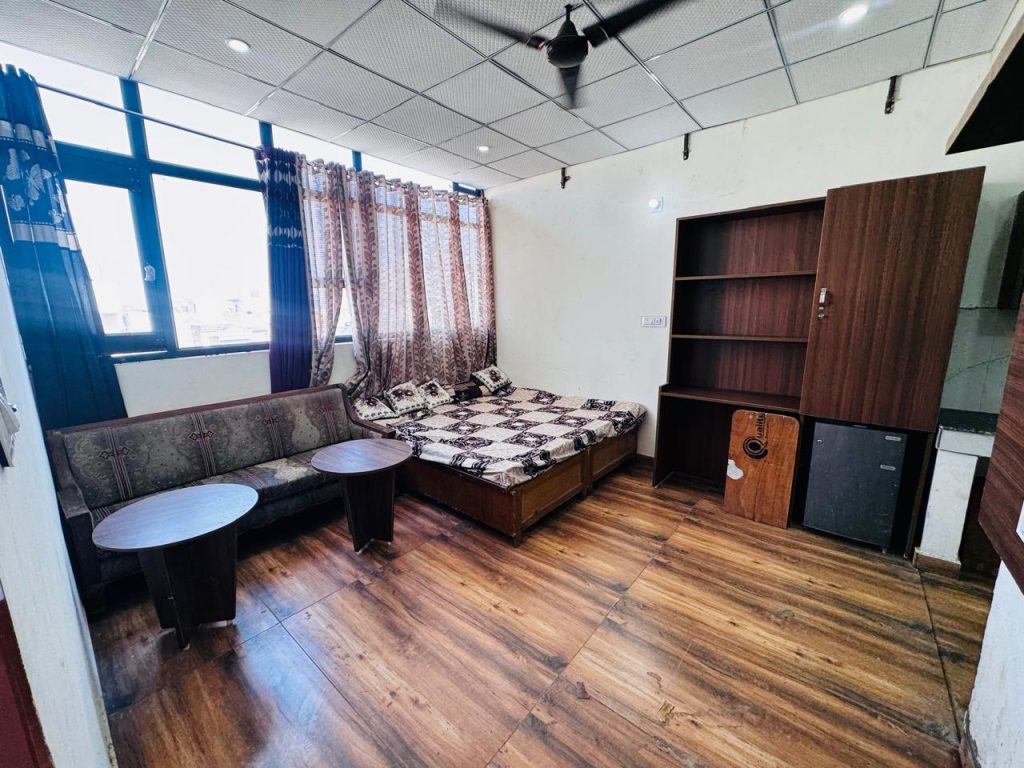
What Should a Student’s Monthly PG Budget Actually Include?
Moving to Karnal for college, coaching, or higher education is an exciting step for any student. But before choosing accommodation, it’s important to understand the complete monthly PG budget rather than looking at rent alone.
Many students initially calculate only the room rent and forget about transportation, food, laundry, mobile expenses, study materials, and personal spending.
A realistic budget helps you avoid financial stress and makes it easier to manage your money throughout the month.
Whether you’re considering a single, double, or triple-sharing room, understanding your complete monthly expenses is essential when choosing a Girls PG in Karnal.
Internal Link: https://kunjniwasroomspg.com/
Why You Should Calculate Your Complete PG Budget
Suppose a PG costs ₹6,000 per month.
You might think your monthly accommodation expense is ₹6,000.
But what if you also spend:
- ₹1,500 on transportation
- ₹1,500 on snacks and outside food
- ₹500 on laundry
- ₹500 on personal items
Your actual monthly living cost becomes significantly higher.
That’s why students should calculate:
Rent + Food + Transport + Utilities + Personal Expenses + Study Expenses
This gives you a more realistic picture of what living in a PG will actually cost.
1. Monthly PG Rent
Rent is usually the biggest expense in a student’s monthly budget.
The amount can vary depending on:
- Room occupancy
- Location
- Furnishing
- Facilities
- Food arrangements
- Property type
- Services included
Single-sharing rooms generally cost more per person than double or triple-sharing options.
Before booking, ask for the complete monthly rent and confirm exactly what is included.
2. Food Expenses
Food is another major part of your monthly budget.
If your PG provides meals, check whether food is included in the rent or charged separately.
Ask about:
- Breakfast
- Lunch
- Dinner
- Meal timings
- Menu
- Extra meals
- Weekend meals
If meals aren’t included, you’ll need to create a separate food budget.
For students, a PG with regular meal arrangements can make monthly budgeting easier.
3. Electricity Charges
Electricity arrangements differ between PGs.
Some properties include electricity within the rent, while others charge according to usage.
Ask:
- Is electricity included?
- Is there a fixed monthly charge?
- Is there a meter?
- Are air-conditioning charges separate?
- Are there additional appliance charges?
Understanding this before moving in can prevent unexpected expenses.
4. Wi-Fi and Internet Costs
Internet access is increasingly important for students.
You may need Wi-Fi for:
- Online classes
- Assignments
- Research
- Video lectures
- Competitive-exam preparation
- Digital study materials
If Wi-Fi isn’t included in the PG rent, add a monthly internet cost to your budget.
Also consider your mobile data plan.
5. Transportation Costs
Transportation is often underestimated.
Calculate how much you expect to spend travelling between:
- PG and college
- PG and coaching institute
- PG and library
- PG and market
For example, if you spend ₹60 per day on transportation:
₹60 × 25 days = ₹1,500 per month
Your actual cost will depend on your travel frequency and transport method.
A PG located conveniently near your college or coaching institute can potentially reduce transportation expenses.
6. Laundry Expenses
Laundry is another regular expense.
Check whether your PG provides:
- Washing machines
- Laundry service
- Ironing
- Self-service laundry
If laundry is charged separately, include it in your monthly budget.
Even a small recurring expense becomes significant over an entire academic year.
7. Toiletries and Personal Care
Students should also budget for everyday personal items.
These may include:
- Shampoo
- Soap
- Toothpaste
- Skincare products
- Haircare products
- Sanitary products
- Detergent
- Other personal-care items
These expenses vary from person to person, so it’s useful to track what you normally spend each month.
8. Study Materials
Education-related expenses shouldn’t be ignored.
Your monthly budget may need to cover:
- Notebooks
- Pens
- Printing
- Photocopying
- Books
- Online courses
- Exam forms
- Stationery
Some months may be more expensive than others.
You can create a separate education fund to prepare for larger academic expenses.
9. Mobile Recharge
Your mobile phone is essential for communication and education.
Include your monthly recharge in your budget.
If you use your phone heavily for:
- Online lectures
- Video calls
- Digital classes
- Hotspot data
you may need a larger data plan.
10. Snacks and Outside Food
Even if your PG provides meals, you may occasionally buy:
- Tea
- Coffee
- Snacks
- Street food
- Restaurant meals
- Delivery food
This category can quietly become one of the biggest sources of unnecessary spending.
Set a monthly limit rather than spending randomly.
11. Entertainment
Student life shouldn’t be only about studying.
You may spend money on:
- Movies
- Cafés
- Shopping
- Outings
- Events
- Social activities
Keep entertainment within a reasonable monthly limit.
A planned entertainment budget is better than repeatedly making unplanned purchases.
12. Medical and Emergency Expenses
You should always keep some money aside for unexpected situations.
Your emergency fund can cover:
- Medicines
- Doctor visits
- Unexpected travel
- Urgent purchases
- Other emergencies
Even a small monthly contribution can gradually create a useful financial safety net.
13. Clothing and Shopping
Clothing isn’t necessarily a monthly expense, but students should still plan for it.
You may need money for:
- College clothes
- Shoes
- Seasonal clothing
- Bags
- Accessories
Instead of treating these as unexpected expenses, create a small monthly savings amount for them.
14. Travel Home
Students who come to Karnal from another city should also consider the cost of travelling home.
Depending on your location, this may include:
- Bus tickets
- Train tickets
- Cab expenses
- Local transportation
If you visit home once or twice every month, this should be included in your overall student budget.
15. Security Deposit
A security deposit is usually a one-time expense, not a monthly cost.
Before moving in, ask:
- How much is the deposit?
- Is it refundable?
- When is it returned?
- Are any deductions possible?
Include this amount in your initial moving budget.
16. Moving and Setup Costs
Your first month can be more expensive than later months.
You may need money for:
- Travel to Karnal
- Bags
- Bedding
- Toiletries
- Storage items
- Stationery
- Basic personal items
Plan separately for these initial expenses.
Example Monthly PG Budget
Here is an example for a student:
| Expense | Estimated Monthly Budget |
|---|---|
| PG Rent | ₹6,000 |
| Food | ₹1,000 |
| Transportation | ₹1,500 |
| Mobile/Internet | ₹500 |
| Laundry | ₹400 |
| Toiletries | ₹500 |
| Study Materials | ₹500 |
| Snacks/Outside Food | ₹700 |
| Entertainment | ₹500 |
| Emergency Savings | ₹900 |
| Total | ₹12,500 |
These are only example figures. Actual expenses depend on your room type, PG facilities, lifestyle, travel requirements, and personal spending.
Single vs Double vs Triple Sharing Budget
Room occupancy can have a major effect on your monthly accommodation budget.
Single Sharing
Higher rent + greater privacy
Suitable for students who prioritize personal space.
Double Sharing
Moderate rent + shared living
Often provides a balance between affordability and comfort.
Triple Sharing
Lower cost per person + more shared space
Can suit students with tighter budgets.
When comparing options, don’t look only at rent.
Compare the total monthly cost.
How to Save Money While Living in a PG
You don’t have to make your student life uncomfortable to save money.
Try these strategies:
Set a Weekly Spending Limit
Divide your monthly personal budget into weekly amounts.
Track Small Expenses
₹50 and ₹100 purchases can add up quickly.
Reduce Food Delivery
Use PG meals whenever possible if they meet your needs.
Use Public Transport
Where practical, buses and shared transportation can reduce commuting costs.
Buy Essentials in Bulk
Basic toiletries and stationery can sometimes be cheaper when purchased together.
Avoid Unnecessary Room Décor
Prioritize things you actually use.
What Should Parents Discuss Before Booking?
Parents and students should ask management about the complete cost structure.
Important questions include:
- What is the monthly rent?
- Is food included?
- Is electricity included?
- Is Wi-Fi included?
- Are there maintenance charges?
- Is laundry included?
- How much is the security deposit?
- Are there additional charges?
- What is the notice period?
- What refund rules apply?
Getting these details in writing can help avoid confusion later.
How Kunj Niwas Can Help With Budget Planning
Kunj Niwas provides furnished accommodation for students and working professionals in Karnal.
Facilities can include:
- Furnished rooms
- Study furniture
- Wi-Fi
- Home-style meals
- Housekeeping
- CCTV security
Having multiple everyday facilities available through the PG can make monthly planning easier because students don’t have to arrange everything independently.
However, pricing, room availability, inclusions, and charges can change. Students should confirm the latest fee structure directly with Kunj Niwas before booking.
Internal Link: https://kunjniwasroomspg.com/
A Simple Monthly Budget Formula
Before moving into a PG, calculate:
Monthly Budget = PG Rent + Food + Transport + Utilities + Personal Expenses + Study Costs + Savings
For example:
₹6,000 + ₹1,000 + ₹1,500 + ₹500 + ₹1,000 + ₹500 + ₹1,000 = ₹12,500
This gives you a starting estimate.
You can then adjust each category according to your actual lifestyle.
Create an Emergency Fund
Don’t spend your entire monthly allowance.
Try to keep some money aside for unexpected expenses.
Even ₹500–₹1,000 per month can help build a small emergency reserve.
Over six months:
₹1,000 × 6 = ₹6,000
That money can provide useful financial flexibility when unexpected costs arise.
Frequently Asked Questions
What should a student’s monthly PG budget include?
It should include rent, food, transportation, utilities, internet, laundry, toiletries, study materials, personal spending, and emergency savings.
Is food usually included in PG rent?
It depends on the property. Some PGs include meals, while others charge separately. Always confirm the exact arrangement before booking.
How much should a student keep for transportation?
The amount depends on college distance and travel frequency. Calculate your expected daily travel cost and multiply it by the number of travel days.
Should students keep money aside for emergencies?
Yes. An emergency fund can help cover unexpected medical costs, travel, or other urgent expenses without disrupting your regular budget.
Is double sharing cheaper than single sharing?
Generally, double sharing costs less per person than single occupancy, although prices vary by property, location, and facilities.
Does Kunj Niwas provide meals?
Kunj Niwas offers home-style meals as part of its accommodation facilities. Students should confirm the current meal plan and pricing directly before booking.
Conclusion
Understanding your complete Girls PG Budget in Karnal is much more useful than looking at monthly rent alone.
Your actual student budget may include:
Rent + Food + Transport + Internet + Laundry + Personal Expenses + Study Costs + Savings
Once you calculate these categories, you’ll have a clearer idea of what you can comfortably afford.
Before booking a PG, compare the complete monthly cost of different accommodation options. A slightly higher rent may sometimes offer better value if it includes meals, Wi-Fi, housekeeping, furniture, and other useful facilities.
Kunj Niwas offers furnished accommodation and student-friendly facilities in Karnal, making it an option students can consider when planning their accommodation budget.
Plan your budget before you move, track your expenses after you arrive, and give yourself enough room for both your education and everyday life.
Internal Link: https://kunjniwasroomspg.com/