
How to Manage Food and Meals While Living in a PG
Managing meals can be one of the biggest challenges when you move into a PG. Students and working professionals often have busy schedules, limited cooking facilities, and different food preferences. Without a proper routine, it is easy to skip meals, order expensive food frequently, or waste groceries.
Good PG Food Management helps you plan meals, control your food budget, store ingredients properly, and maintain a convenient eating routine. With a few simple habits, you can enjoy regular meals without making food management stressful.
Why Is PG Food Management Important?
When living in a PG, your food routine may be very different from what you had at home. You may need to manage meals around college, work, commuting, or shift timings.
Effective PG Food Management can help you:
- Reduce unnecessary food expenses
- Avoid skipping meals
- Minimize food waste
- Keep basic groceries available
- Maintain a regular eating schedule
- Make better use of kitchen facilities
- Reduce dependence on expensive food delivery
A simple food routine can make everyday PG life much more convenient.
PG Food Management Starts With a Meal Schedule
Create a basic weekly meal schedule based on your daily routine. You do not need to plan every meal in detail. Simply knowing what you are likely to eat can prevent last-minute decisions.
For example:
Breakfast: Milk, fruit, eggs, poha, oats, or bread
Lunch: PG meal, homemade food, or a simple packed meal
Evening: Fruit, tea, yogurt, or a light snack
Dinner: PG meal, simple homemade food, or another convenient option
If your PG provides meals, adjust your personal food purchases accordingly so you do not buy unnecessary ingredients.
Understand Your PG’s Food Facilities
Before planning your meals, find out exactly what facilities your PG provides.
Ask about:
- Regular meal availability
- Breakfast and dinner timings
- Kitchen access
- Refrigerator availability
- Microwave or induction access
- Drinking water
- Utensils
- Food storage facilities
- Rules regarding outside food
Understanding these facilities makes PG Food Management much easier.
Plan Your Grocery Shopping
If you have access to a kitchen, avoid buying groceries randomly. Make a short shopping list before going to the store.
Basic items may include:
- Oats
- Bread
- Eggs
- Fruits
- Milk
- Yogurt
- Rice
- Basic vegetables
- Snacks
- Tea or coffee
- Simple spices
Buy quantities according to your actual consumption. Purchasing large amounts may seem economical but can lead to food waste if you cannot finish them.
PG Food Management Can Help Control Your Budget
Food delivery can quickly become a significant monthly expense. Planning your meals can help control unnecessary spending.
Create a monthly food budget covering:
- PG meals
- Groceries
- Snacks
- Occasional restaurant meals
- Food delivery
- Beverages
Track your spending for a few weeks. You may notice that small daily purchases add up significantly.
Keep Healthy Snacks Available
Busy schedules can make it tempting to replace meals with packaged snacks. Keeping a few convenient alternatives in your room can help.
Consider keeping:
- Fresh fruit
- Nuts
- Roasted snacks
- Yogurt
- Whole-grain biscuits
- Makhana
- Peanut butter
- Dry fruits
Choose options that suit your dietary needs and storage facilities.
Store Food Properly
Proper food storage is an important part of PG Food Management. If your PG provides refrigerator access, use it appropriately.
Keep perishable food refrigerated when required and check storage instructions on packaged products.
For dry foods, use sealed containers to protect them from moisture, insects, and contamination.
Avoid keeping perishable food at room temperature for longer than recommended.
Avoid Food Waste in Your PG
Food waste often happens when residents buy more than they can consume.
Before buying something, ask:
- Will I actually eat this?
- How quickly will it expire?
- Do I have enough storage space?
- Can I finish the quantity before it goes bad?
Buying smaller quantities more frequently may be more practical for PG residents with limited storage.
PG Food Management for Busy Students
Students may have unpredictable schedules because of classes, assignments, exams, and social activities.
Keep a few easy meal options available for busy days. Simple foods can be useful when you do not have enough time to cook or visit a restaurant.
Planning ahead is particularly helpful during examination periods when maintaining a regular routine becomes difficult.
PG Food Management for Working Professionals
Working professionals may have even less time for meal preparation, especially when dealing with long office hours or changing schedules.
Try preparing or arranging some meals in advance whenever possible.
You can:
- Pack lunch the night before
- Keep quick breakfast options ready
- Carry healthy snacks to work
- Plan grocery shopping for weekends
- Avoid ordering food simply because you forgot to plan
A little preparation can save both time and money.
Manage Meals Around Your Work Schedule
If your working hours change regularly, your meal schedule should be flexible.
For example, if you work an evening shift, you may need your main meal earlier in the day. If you work overnight, you may need to plan meals around your sleeping and working hours.
The goal is to create a routine that fits your lifestyle rather than forcing yourself to follow traditional meal timings.
Keep Your PG Kitchen Clean
If you have access to a shared kitchen, cleanliness should be part of your PG Food Management routine.
After preparing food:
- Clean the cooking surface
- Wash utensils
- Dispose of food waste properly
- Wipe spills
- Store ingredients correctly
- Keep shared areas clean
A clean kitchen is more pleasant and convenient for everyone.
Be Careful With Shared Food
If you live with roommates, avoid assuming that food in a shared refrigerator or kitchen is available for everyone.
Use separate containers and label your food when necessary. Discuss shared groceries and expenses with roommates before purchasing items together.
Clear communication can prevent unnecessary disagreements.
Carry Simple Meals When Necessary
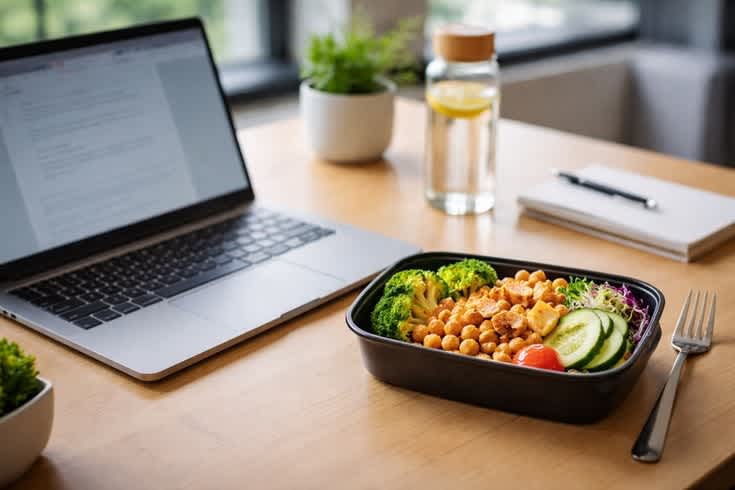
If your PG does not provide meals or your schedule does not match the meal timings, carrying food can be a practical solution.
A reusable lunch box can help you carry:
- Homemade meals
- Fruits
- Snacks
- Sandwiches
- Rice-based meals
- Other suitable foods
This can be especially useful for students and office workers.
Don’t Depend Completely on Food Delivery
Food delivery is convenient, but using it for every meal can become expensive and may make it harder to maintain a consistent food budget.
Use delivery when it is genuinely convenient, such as during busy days or when you want an occasional meal outside your regular routine.
For everyday meals, consider PG-provided food, simple cooking, or affordable nearby options.
Choose a PG With Convenient Food Facilities
Food facilities can be an important consideration when selecting accommodation. A PG that offers practical kitchen access, food arrangements, drinking water, and suitable storage facilities can make everyday living easier.
If you are looking for PG accommodation in Karnal, you can explore Kunj Niwas and review its available room options and facilities before choosing your accommodation.
Final Thoughts
Effective PG Food Management does not require complicated meal preparation. A simple weekly meal plan, sensible grocery shopping, proper food storage, and a realistic food budget can make managing meals much easier.
Whether you are a student or working professional, organize your food routine around your schedule and available PG facilities. Small habits can help you save money, reduce food waste, and make everyday PG living more comfortable.