
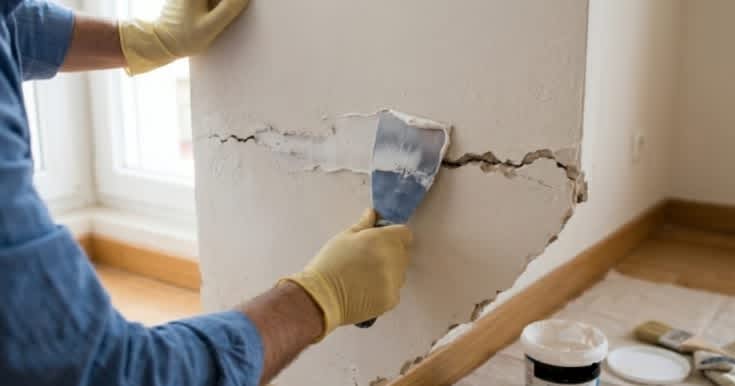
What to Do If Something Gets Damaged in a PG Room
PG Room Damage can happen even when you are careful. A glass may break, a chair may get damaged, a wall may get marked, or an appliance may stop working. When something goes wrong in a PG room, the best approach is to stay calm, report the issue quickly, and understand who is responsible for the repair or replacement.
For students and working professionals living in a PG in Karnal, knowing what to do after accidental damage can help prevent unnecessary disputes. Not every problem should automatically be treated as tenant negligence. Normal wear and tear, existing defects, and accidental damage may be handled differently depending on the property’s terms.
This guide explains how to handle PG Room Damage, what to document, when you may be responsible for costs, and how to communicate with the PG owner.
What Is PG Room Damage?
PG Room Damage refers to physical damage to the room, furniture, fixtures, appliances, bathroom fittings, walls, doors, windows, or other property provided as part of the accommodation.
Examples include:
- Broken furniture
- Damaged mattress
- Cracked mirror
- Broken window or glass
- Damaged electrical socket
- Stained walls
- Broken bathroom fittings
- Damaged cupboard or wardrobe
- Damaged appliances
- Lost keys
- Damaged doors or locks
The responsibility for each situation can vary depending on how the damage happened and what your rental terms say.
First, Stay Calm and Assess the Damage
If you notice PG Room Damage, do not immediately attempt to repair it yourself.
First determine:
- What exactly is damaged?
- When did you notice it?
- Was it already damaged when you moved in?
- Did the damage happen accidentally?
- Is the item still usable?
- Could it create a safety risk?
A quick assessment can help you explain the situation accurately to the PG owner or manager.
Report PG Room Damage Quickly
One of the most important steps is to report the problem as soon as possible.
Inform the PG owner or property manager through the property’s usual communication channel. Explain what happened without exaggerating or hiding information.
For example, you can say:
“I noticed that the chair in my room has broken. I wanted to inform you immediately and check how we should handle the repair.”
Prompt reporting demonstrates that you are taking responsibility for the accommodation and can prevent a small problem from becoming worse.
Take Photos and Videos
Whenever possible, take clear photographs of the PG Room Damage before anything is repaired or moved.
Capture:
- Close-up photographs
- Wider room photographs
- The surrounding area
- Any visible cause of damage
- Serial numbers, if relevant
- Existing marks or defects
Photos can provide a useful record of the property’s condition and help avoid disagreements about what happened.
Check Your Move-In Photos
If you took photographs or videos when you moved into the PG, compare them with the current condition.
This is particularly useful when dealing with:
- Existing wall marks
- Scratched furniture
- Damaged cupboards
- Bathroom fittings
- Electrical fixtures
- Appliances
- Windows and doors
If the same issue was visible before you moved in, you should show the earlier evidence to the property manager.
This is one reason why documenting the room at move-in is so useful.
Determine Whether It Is Wear and Tear
Not every defect is the tenant’s responsibility.
Normal wear and tear can occur naturally through everyday use. For example, furniture may show minor signs of use over time, paint may become less fresh, and fixtures may gradually require maintenance.
Actual PG Room Damage, however, may involve something broken or damaged due to an accident, misuse, or negligence.
The distinction can depend on the item’s condition, age, usage, and the rental agreement.
Accidental Damage vs Negligent Damage
Accidental damage and damage caused by negligence may be treated differently.
For example:
Accidental damage:
- A glass accidentally falls from a table.
- A small item is unintentionally dropped.
- A fixture breaks unexpectedly.
Possible negligence:
- Using furniture for a purpose it was not designed for.
- Intentionally damaging property.
- Ignoring a known leak that causes additional damage.
- Mishandling electrical equipment.
The exact responsibility should be determined based on the circumstances and applicable rental terms.
Check Your PG Agreement
Before agreeing to pay for PG Room Damage, review your accommodation agreement or written terms.
Look for information about:
- Damage charges
- Security deposit
- Repairs
- Maintenance
- Replacement costs
- Lost keys
- Furniture
- Appliances
- Notice period
- Move-out inspection
A written agreement can make it easier to understand the responsibilities of both the tenant and the accommodation provider.
Ask How the Repair Cost Is Calculated
If you are responsible for damage, ask for a clear explanation of the proposed charge.
For example, if a chair is damaged, ask whether the cost is based on:
- Repair cost
- Replacement cost
- Age of the item
- Actual damage
- Existing condition
Do not assume that the full replacement price is automatically appropriate for every situation.
Do Not Pay Without Understanding the Charge
If the PG owner asks you to pay for PG Room Damage, ask for details before making payment.
You can politely ask:
- What exactly needs to be repaired?
- What is the repair cost?
- Can I see the repair estimate?
- Is the item repairable?
- Is the charge covered by my deposit?
- Was the item already damaged?
- Is there a written damage policy?
Clear communication can prevent misunderstandings.
When Can a Security Deposit Be Used?
A security deposit may be used to cover certain unpaid amounts or damage, depending on the agreed terms.
However, tenants should understand what the deposit covers before moving in.
Keep records of:
- Deposit amount
- Payment date
- Payment receipt
- Agreement terms
- Room condition
- Any deductions discussed
When you leave the PG in Karnal, ask for a clear breakdown if any amount is deducted from your deposit.
What If the Damage Was Already There?
One of the most common disputes occurs when a tenant is blamed for damage that existed before move-in.
If you notice pre-existing PG Room Damage, inform management immediately.
Provide:
- Date-stamped photographs, if available
- Move-in videos
- Messages sent to the owner
- Inspection records
- Any previous communication
The earlier you report an existing problem, the easier it may be to establish that you did not cause it.
What If Something Breaks on Its Own?
Sometimes an item fails because of age, normal use, manufacturing defects, or maintenance issues.
For example:
- An old fan stops working.
- A water tap starts leaking.
- A light fixture stops functioning.
- A cupboard hinge becomes loose.
- An appliance stops working without misuse.
In such cases, inform the PG owner rather than attempting an unauthorized repair.
The responsibility for maintenance should be determined according to the accommodation terms and circumstances.
Do Not Attempt Major Repairs Yourself
If you experience PG Room Damage, avoid making major repairs without permission.
Do not attempt to:
- Rewire electrical connections
- Repair gas equipment
- Replace major plumbing fixtures
- Dismantle appliances
- Repair structural damage
Improper repairs can make the situation worse and may create safety risks.
Report the issue to management and allow an authorized person to assess it.
What If a Roommate Caused the Damage?
Shared rooms can create additional questions about responsibility.
If you live in a double-sharing room and your roommate damages something, do not automatically agree to pay the entire amount.
First establish:
- Who caused the damage?
- Was the item shared?
- Was it accidental?
- What does the agreement say?
- Has the PG management assessed the issue?
Discuss the matter calmly with your roommate and property manager.
What If You Damage a Common Area?
Damage can also occur outside the bedroom.
Examples include:
- Broken dining furniture
- Damaged doors
- Damaged kitchen equipment
- Broken common-area fixtures
- Damaged appliances
- Broken windows
Common-area damage can be more complicated because several residents may have access to the same facility.
Report the issue promptly and explain what you know about the incident.
Keep Communication in Writing
Whenever possible, communicate important PG Room Damage matters through a written channel such as WhatsApp, email, or another method used by the property manager.
Written communication provides a useful record of:
- What happened
- When you reported it
- What management said
- Repair arrangements
- Charges discussed
- Payment made
This does not mean every conversation needs to be formal. It simply helps keep important details clear.
Ask for a Repair Timeline
If the damage affects an essential facility, ask when it is expected to be repaired.
This is particularly important if the issue involves:
- Bathroom facilities
- Door locks
- Electrical systems
- Water supply
- AC
- Essential furniture
- Internet equipment
For non-urgent repairs, the property manager may need additional time to arrange a technician or replacement.
What to Do If the Damage Creates a Safety Risk
Some forms of PG Room Damage can create immediate safety concerns.
Examples include:
- Exposed electrical wires
- Broken glass
- Severe water leakage
- Damaged locks
- Unsafe furniture
- Gas-related problems
- Structural concerns
Do not continue using something that appears dangerous. Inform the property manager immediately and move away from the hazard if necessary.
For general emergency preparedness and disaster-safety guidance, tenants can refer to the National Disaster Management Authority.
How to Prevent PG Room Damage
Prevention is easier than dealing with repairs later.
Follow these simple habits:
- Use furniture properly.
- Avoid overloading electrical sockets.
- Do not hang heavy objects improperly.
- Keep liquids away from electrical equipment.
- Handle doors and windows carefully.
- Report leaks immediately.
- Follow appliance instructions.
- Keep common areas clean.
- Do not make unauthorized modifications.
Taking care of the accommodation also helps maintain a positive relationship with the property management.
PG Room Damage Checklist for Tenants
Use this checklist whenever something is damaged:
| Step | What to Do |
|---|---|
| 1 | Stop using the damaged item if unsafe |
| 2 | Inspect the damage |
| 3 | Take photos/videos |
| 4 | Check move-in records |
| 5 | Inform the PG owner |
| 6 | Review the agreement |
| 7 | Ask about repair responsibility |
| 8 | Request the cost breakdown if charged |
| 9 | Keep payment proof |
| 10 | Confirm the repair is completed |
How to Avoid Damage Disputes When Moving Into a PG
The best time to prevent a future dispute is before you move in.
When you choose a PG in Karnal, document the condition of:
- Bed
- Mattress
- Wardrobe
- Study table
- Chair
- Walls
- Doors
- Windows
- Bathroom
- Electrical fittings
- Appliances
Take photographs and save them somewhere you can access later.
You should also keep a copy of your rental terms and payment records.
What New Tenants Should Know About Damage Charges
A tenant should not assume that every repair charge is automatically valid or automatically invalid.
The appropriate responsibility can depend on:
- The rental agreement
- The property’s policies
- The type of damage
- The cause of damage
- The item’s condition
- Normal wear and tear
- Applicable local rules
If there is a disagreement, communicate calmly and request an explanation of the charge.
Kunj Niwas and Responsible PG Living
If you are considering a PG in Karnal, Kunj Niwas offers furnished accommodation options for students and working professionals.
Residents should take reasonable care of their room, furniture, appliances, and shared facilities while promptly reporting maintenance issues to management.
You can learn more about the accommodation and available facilities through the Kunj Niwas website.
Regardless of which PG you choose, always understand the property’s damage policy and rental terms before moving in.
Final Thoughts
PG Room Damage does not always need to become a major dispute. The most important steps are to document the problem, report it quickly, check your agreement, and communicate clearly with the PG owner or manager.
If the damage was accidental or caused by normal wear and tear, explain the circumstances honestly. If you are responsible for the damage, ask for a reasonable and transparent repair or replacement cost.
For students and working professionals living in a PG in Karnal, taking photographs at move-in, keeping written records, and understanding the damage policy can make the entire rental experience smoother.
The goal is simple: take care of the accommodation, report problems early, and make sure both tenant and property owner understand their responsibilities.