
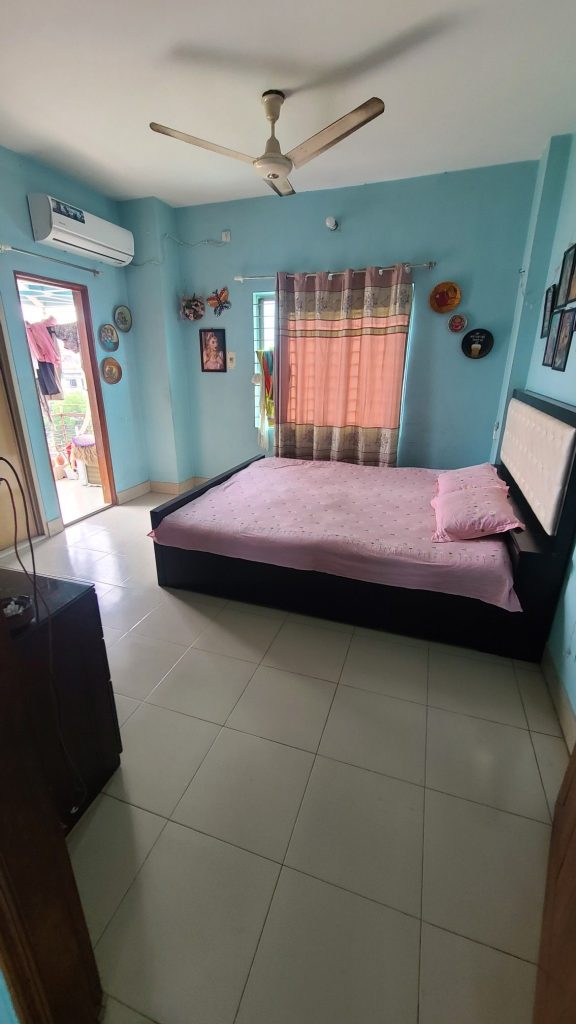
How to Find a Safe PG in Karnal: A Practical Verification Guide
Finding a room in Karnal is not simply about comparing rent, furniture or location. For students and working professionals, safety should be one of the first things checked before booking a PG.
A property can look excellent in photographs and still leave important questions unanswered. Who can enter the property? Are common areas monitored? Are rooms properly secured? How are visitors handled? Is the entrance controlled? What happens if there is an emergency?
These questions matter whether you are moving to Karnal for college, competitive-exam preparation, an internship or a new job.
This guide explains how to evaluate a safe PG in Karnal using practical checks you can perform before paying a deposit.
What Makes a PG Safe?
There is no single feature that automatically makes a PG safe.
Good accommodation security usually comes from several layers working together:
- Controlled entry and exit
- Secure room doors and locks
- CCTV in appropriate common areas
- Good lighting
- Responsible property management
- Clear visitor policies
- Emergency arrangements
- Well-maintained common areas
- Reliable communication with management
- A suitable surrounding locality
The goal is not to find a property that simply advertises “24×7 security.” The goal is to understand how security actually works in day-to-day living.
Safe PG in Karnal: Quick Verification Checklist
Before booking, check these areas:
| Safety Area | What to Verify |
|---|---|
| Entrance | Is access controlled? |
| CCTV | Which common areas are covered? |
| Room door | Does it have a reliable lock? |
| Windows | Can they be secured properly? |
| Visitors | Are visitor rules clearly defined? |
| Lighting | Are entrances and common areas well lit? |
| Management | Can you contact someone when needed? |
| Emergency | Are emergency procedures explained? |
| Surroundings | Is the route to the property comfortable and practical? |
| Documentation | Are rental terms and charges clearly provided? |
Use this as a starting point rather than assuming every property follows the same security arrangements.
1. Visit the PG Before Booking
One of the simplest ways to evaluate accommodation is to visit it personally.
Photographs cannot tell you everything about a property.
During your visit, pay attention to:
- Entrance arrangements
- Common-area cleanliness
- Lighting
- Room doors
- Stairways
- Corridors
- Building access
- General maintenance
- Surrounding streets
Try to visit at a time that gives you a realistic idea of the environment.
If possible, understand what the property and surrounding area are like during both daytime and the hours when you are likely to return home.
2. Check the Main Entrance
The main entrance is an important part of property security.
Ask:
- Is the entrance normally secured?
- Who can enter the building?
- Are residents given keys, access cards or another access method?
- Can unknown visitors enter freely?
- Is someone responsible for monitoring access?
- Are there clear visitor procedures?
A controlled entrance does not need to mean complicated restrictions. It simply means residents should understand who has access to the property and under what circumstances.
3. Check CCTV Coverage
CCTV can help with monitoring common areas, but simply seeing a camera does not tell you how useful the system is.
Ask:
- Where are the cameras installed?
- Does CCTV cover the main entrance?
- Are important common areas monitored?
- Is the system operational?
- Who manages the footage?
- How are security incidents handled?
CCTV should be considered one part of a broader security arrangement, not a substitute for responsible management.
Also remember that cameras should generally be limited to appropriate common areas and should respect residents’ privacy.
4. Inspect Your Room Door and Lock
Your room is your personal space, so the door should be one of the first things you inspect.
Check whether:
- The door closes properly
- The lock works smoothly
- The frame appears secure
- You can lock the room from inside
- The key or access mechanism is provided clearly
- There is any visible damage around the lock
Do not feel uncomfortable asking management to demonstrate how the lock works.
A furnished room is useful, but secure access to that room is more important.
5. Check Windows and Balconies
Windows and balconies can be overlooked during a property visit.
Check:
- Window locks
- Balcony access
- Railings
- Door latches
- Ease of opening and closing
- Whether the room has appropriate privacy
If you are considering a room with a balcony, inspect the balcony door and locking arrangement as carefully as the main room door.
6. Understand Visitor Policies
A safe PG should have clear expectations around visitors.
Ask:
- Are visitors allowed?
- During what hours?
- Where can visitors meet residents?
- Are overnight guests allowed?
- Does management record visitors?
- Are there restrictions on unknown or unauthorized visitors?
Do not rely on verbal statements alone if the property has written rules.
Clear policies can help residents understand what is permitted and can reduce confusion between tenants and management.
7. Ask About Emergency Procedures
A safety check should include more than theft prevention.
Ask what happens during:
- Fire
- Electrical emergencies
- Medical emergencies
- Security incidents
- Water-related emergencies
- Other building problems
Check whether residents know:
- Where the main exit is
- How to contact management
- Where emergency equipment is located
- Which routes can be used to leave the property
You can also check whether emergency exits and pathways are visibly accessible rather than blocked by stored items.
8. Look at Fire Safety
Fire safety deserves particular attention in shared accommodation.
During your inspection, look for:
- Clearly accessible exits
- Unobstructed stairways
- Appropriate fire-safety equipment
- Electrical wiring in reasonable condition
- Safe cooking arrangements
- Clearly communicated emergency procedures
Do not attempt to judge technical compliance yourself based on appearance alone. If you have concerns, ask management what fire-safety arrangements are in place.
9. Inspect Electrical Points and Wiring
Electrical problems can create both inconvenience and safety concerns.
Check for obvious signs such as:
- Damaged sockets
- Loose switches
- Exposed wires
- Overloaded extension boards
- Burn marks
- Loose electrical fittings
Ask who is responsible for electrical repairs and how quickly maintenance issues are normally addressed.
If you need to use a laptop, phone charger, study lamp or other equipment every day, make sure the room has suitable and accessible electrical points.
10. Check Lighting Around the Property
Good lighting can make everyday movement around a property easier.
Look at:
- Main entrance
- Gate
- Parking or approach area, where applicable
- Corridors
- Staircases
- Common areas
- Building surroundings
You should also consider the route you will take from your regular transport point to the accommodation.
A secure room is only one part of your daily safety experience.
11. Consider the Surrounding Locality
A PG cannot be evaluated separately from its location.
Before booking, check the surrounding area and your regular route to:
- College
- Coaching centre
- Office
- Market
- Pharmacy
- Hospital
- Public transport
- Railway station
Think about when you normally travel.
A location that feels convenient at 11 a.m. may have a very different environment late in the evening.
For residents considering accommodation in Sector 13, Karnal, for example, it is useful to inspect the actual route between the property and the places you visit regularly rather than judging the locality from an online listing alone.
12. Talk to Existing Residents
If possible and appropriate, speaking with current residents can provide useful practical information.
You can ask general questions such as:
- Is management responsive?
- Are maintenance complaints addressed?
- Are visitor rules clear?
- Does the property remain well maintained?
- Are there frequent security or access issues?
- Is the environment comfortable for studying or working?
You do not need to ask residents for private information. Focus on their experience with the property and management.
13. Check the Property Management
A secure building still needs responsive management.
Ask:
- Who should you contact in an emergency?
- Is there a property manager or responsible contact?
- How are maintenance complaints reported?
- What happens if you lose your room key?
- How are security concerns handled?
- Who is responsible for common-area maintenance?
A clear communication process can make it easier to address problems quickly.
14. Verify the Rental Terms
Safety is not only physical.
You should also understand the financial and contractual side of the accommodation.
Before paying, clarify:
- Monthly rent
- Security deposit
- Notice period
- Refund conditions
- Electricity charges
- Other service charges
- Rules
- Maintenance responsibilities
- Room-change policy
- Early-exit terms
Get important terms in writing.
A transparent agreement helps both residents and property management understand their responsibilities.
15. Check Identity and Documentation Requirements
A professionally managed accommodation may ask residents for appropriate identification and documentation.
Before submitting any document, understand:
- What information is being requested
- Why it is required
- Who will retain it
- How it will be used
- Whether a receipt or acknowledgement is provided
Avoid handing over original identity documents unnecessarily.
For any accommodation agreement, keep copies of important documents and payment records for your own records.
16. Don’t Ignore Your First Impression—But Verify It
A clean entrance, modern furniture and attractive interiors can create a positive first impression.
But appearance alone does not establish security.
A property may look excellent while having unclear visitor procedures or poorly maintained locks.
Likewise, a simple-looking property may have well-managed security arrangements.
Use appearance as an observation, not as the final basis for your decision.
Safety for Students in Karnal
Students may have different safety requirements depending on their routine.
A student should consider:
- Distance from college or coaching centre
- Late-evening study schedules
- Entry and exit arrangements
- Room lock
- Internet reliability
- Emergency contacts
- Nearby medical facilities
- Route to and from the property
Students preparing for NEET, JEE or university examinations may spend long hours studying, so the accommodation should also support a stable daily routine.
Safety for Working Professionals
Working professionals may return home at different times depending on their job.
This makes it useful to check:
- Late-hour access
- Entrance arrangements
- Lighting
- Transport availability
- Room security
- Visitor policies
- Management availability
- Emergency procedures
Professionals working shifts should specifically confirm whether their schedule fits the property’s access rules.
What Kunj Niwas Provides
For residents comparing accommodation options in Karnal, Kunj Niwas offers PG, hostel and 1 BHK accommodation in Sector 13.
The property provides furnished accommodation and facilities including CCTV, security arrangements, Wi-Fi and housekeeping. Depending on the selected room, options may include AC, non-AC rooms, attached washrooms, kitchen facilities and balconies.
Residents should still verify the current room-specific facilities, security arrangements, rules and availability directly with management before booking.
You can explore the accommodation options through the Kunj Niwas website.
You can also check the Kunj Niwas Facebook page for additional property information and updates.
A 15-Minute PG Safety Inspection
If you have limited time during a property visit, use this quick process.
First 3 Minutes: Entrance
Check:
- Gate
- Main entrance
- Access control
- Lighting
- Visitor arrangements
Next 4 Minutes: Room
Check:
- Door
- Lock
- Windows
- Electrical points
- Furniture condition
Next 3 Minutes: Common Areas
Check:
- CCTV
- Corridors
- Stairways
- Lighting
- Cleanliness
- Emergency access
Final 5 Minutes: Ask Questions
Ask about:
- Emergency contact
- Visitor rules
- Security arrangements
- Maintenance
- Deposit
- Notice period
- Any additional charges
This simple process can help you identify questions before committing to the property.
Red Flags to Watch For
Be cautious if:
- Management refuses to explain basic rules
- Room locks appear damaged
- Important areas are poorly lit
- CCTV is advertised but its operation is unclear
- Emergency exits appear blocked
- Charges are not explained clearly
- Deposit conditions are vague
- You are pressured to pay immediately
- The room shown is different from the one offered
- Important promises are only verbal
One red flag does not necessarily tell you everything about a property, but unexplained issues deserve clarification before payment.
Questions to Ask Before Paying
Keep these questions ready on your phone:
- Who controls access to the property?
- Is CCTV operational?
- Which areas are covered by CCTV?
- How secure is the room lock?
- What are the visitor rules?
- What happens during an emergency?
- Who should I contact after office hours?
- What are the entry and exit rules?
- Are there any additional charges?
- What is the security deposit and refund process?
- What is the notice period?
- Who handles repairs and maintenance?
- Are all advertised facilities currently available?
- Can I inspect the exact room before booking?
Safe PG Checklist
Before making the final decision, make sure you have checked:
- Property visited personally
- Exact room inspected
- Room lock checked
- Windows and balcony checked
- CCTV arrangements understood
- Entrance access understood
- Visitor policy confirmed
- Emergency contact confirmed
- Fire-safety arrangements checked
- Common areas inspected
- Surrounding locality considered
- Rent and additional charges confirmed
- Deposit terms understood
- Notice period confirmed
- Important terms documented
Final Takeaway
Finding a safe PG in Karnal requires more than looking for a CCTV symbol on a property listing.
Visit the accommodation, inspect the actual room, understand access arrangements, check locks and common areas, ask about visitors and emergencies, and review the rental terms before paying.
For students, also consider the route to college or coaching centres and your study schedule. For working professionals, think about commute, working hours and late-hour access.
Most importantly, verify rather than assume.
A safe accommodation decision comes from looking at the property as a complete living environment—not just as a room with a monthly rent.
FAQs About Finding a Safe PG in Karnal
How can I check if a PG in Karnal is safe?
Visit the property personally and check room locks, entrance access, CCTV, lighting, visitor policies, emergency arrangements, management responsiveness and the surrounding locality.
Is CCTV enough to make a PG safe?
No. CCTV is only one part of property security. Access control, locks, lighting, management and emergency procedures also matter.
What should I check in a PG room?
Check the door lock, windows, electrical points, ventilation, furniture condition and any balcony or external access.
Should I visit a PG before paying?
Yes. A personal inspection can help you verify the actual room, facilities, condition and security arrangements before making a financial commitment.
What questions should I ask about PG security?
Ask about CCTV, entrance access, visitor rules, room locks, emergency contacts, late-hour access and what happens during security or medical emergencies.
Is location important when choosing a safe PG?
Yes. Consider the surrounding locality and your regular travel route, particularly if you study or work late.
What documents should I check before booking?
Review the rental terms, deposit conditions, identification requirements, payment records and notice-period rules before making a commitment.
Are furnished PGs safe?
Furnishing and safety are separate considerations. A furnished PG can be comfortable, but you should independently verify its security arrangements and property management.
What are the biggest red flags when booking a PG?
Unclear charges, damaged locks, poor lighting, unexplained access arrangements, blocked emergency routes, unclear deposit terms and pressure to make an immediate payment should all prompt further questions.